
 By ando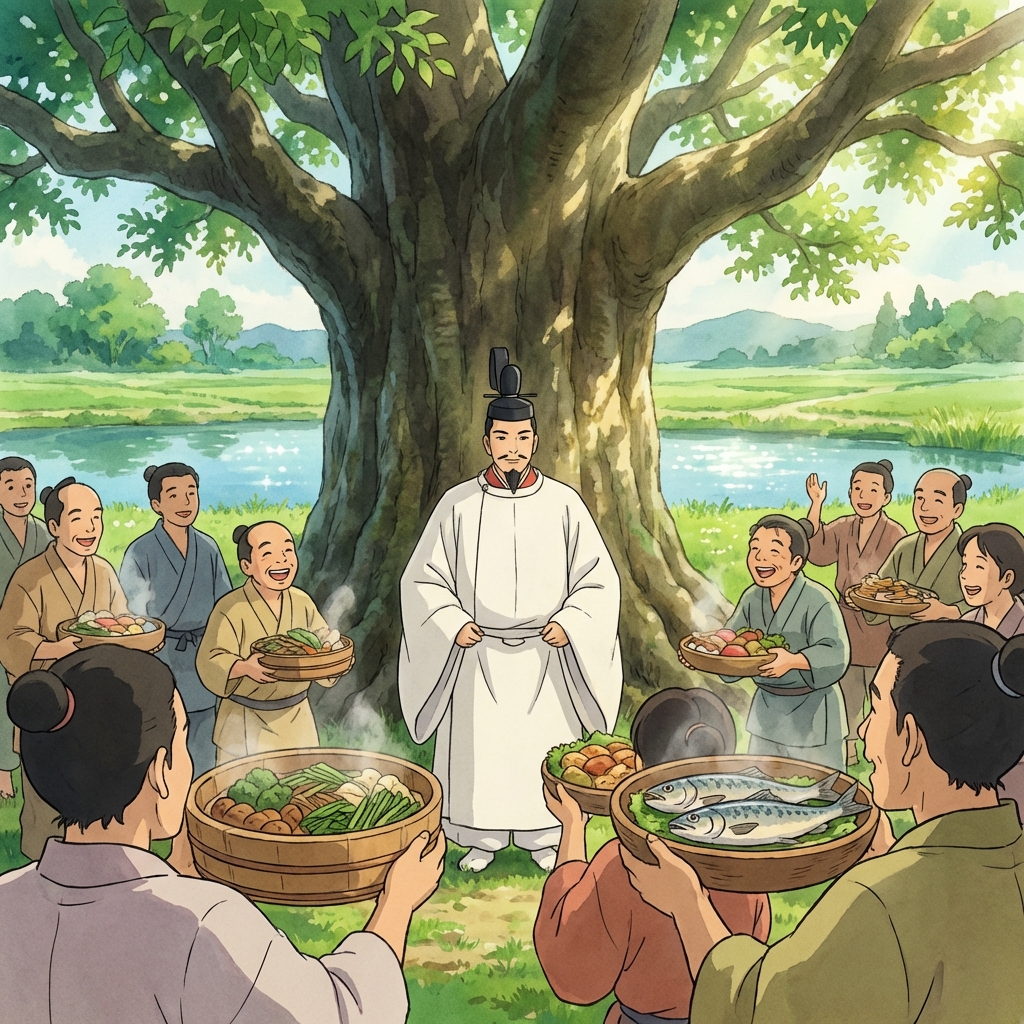
In Mihara Ward, Sakai City, Osaka Prefecture, in a corner of what was once Kawachi Province, lies a place known as Owai (大饗), famous for its difficult-to-read name. Quietly, yet with a distinct presence, Yasaka Jinja is enshrined here. At first glance, it appears to be a quiet shrine deeply rooted in the local community, but delving into its history reveals a grand episode connected to ancient Japanese emperors.
Basic Information
Name: Yasaka Jinja
Location: 443 Owai, Mihara Ward, Sakai City, Osaka Prefecture
Enshrined kami: Susanoo-no-Mikoto
Access: Approx. 20-minute walk from Hagiharatenjin Station on the Nankai Koya Line, or disembark at the Owai bus stop via Kintetsu Bus.
The Mystery Hidden in the Place Name: Why is it Called Owai?
Essential to understanding this jinja is the intriguing place name, Owai (大饗), where it is located. This name, which literally means “a grand feast” or “a magnificent banquet,” carries a legend related to Emperor Nintoku.
According to tradition, long ago, when Emperor Nintoku visited this area (possibly to inspect an embankment), the local people heartily welcomed him and offered a lavish meal, holding an “O-ae,” meaning a “grand reception” or “magnificent hospitality.” Deeply moved by this event, the Emperor is said to have named the land “Owai,” marking the origin of the name.
As the guardian kami of this land, where the memory of such “supreme hospitality” remains, Yasaka Jinja has been cherished by the local people since ancient times.
The Worship of Gozu Tenno and “Gion-san”
This Yasaka Jinja, like the famous Yasaka Jinja in Kyoto, was formerly known as a shrine dedicated to Gozu Tenno. Locally, it is still affectionately referred to as “Gion-san.”
As Susanoo-no-Mikoto is the primary enshrined kami, the jinja is believed to offer powerful blessings for warding off misfortune and dispelling epidemics. It is said that in times of past epidemics in the region, many people offered prayers within its precincts.
Highlights and “Behind-the-Scenes Stories” of the Precincts
The shrine precincts are remarkably quiet; step inside, and the hustle and bustle of the surrounding residential area miraculously disappear.
Historical Komainu (Guardian Dogs): The komainu standing within the precincts have weathered significantly over the long years, yet this very aging enhances their profound sense of having “continuously protected this land.”
The Excitement of the Danjiri Festival: While usually a quiet jinja, it transforms completely during the autumn festival (Mihara Ward’s Danjiri Festival). When the danjiri floats from the Owai district enter the shrine, the tranquil precincts are enveloped in a whirlwind of excitement. This contrast between “stillness” and “dynamism” is also one of the shrine’s charms.
Key Points for Your Visit
Yasaka Jinja (Owai) is not a large, heavily touristed shrine. However, the fact that the “spirit of hospitality” received by Emperor Nintoku still remains as a place name offers an irresistible sense of romance for history enthusiasts.
Nearby, historical sites like the Kurohimeyama Kofun (ancient burial mound) are scattered, so it is recommended to include this jinja in a walking route to experience the ancient Kawachi culture.
While it lacks elaborate decorations, it undeniably embodies the prayers of people from ancient times and a proud history of entertaining an emperor. When you wish for quiet contemplation or want to ponder historical mysteries, we highly recommend a visit.
Related Links / References
No sources available.