 By ando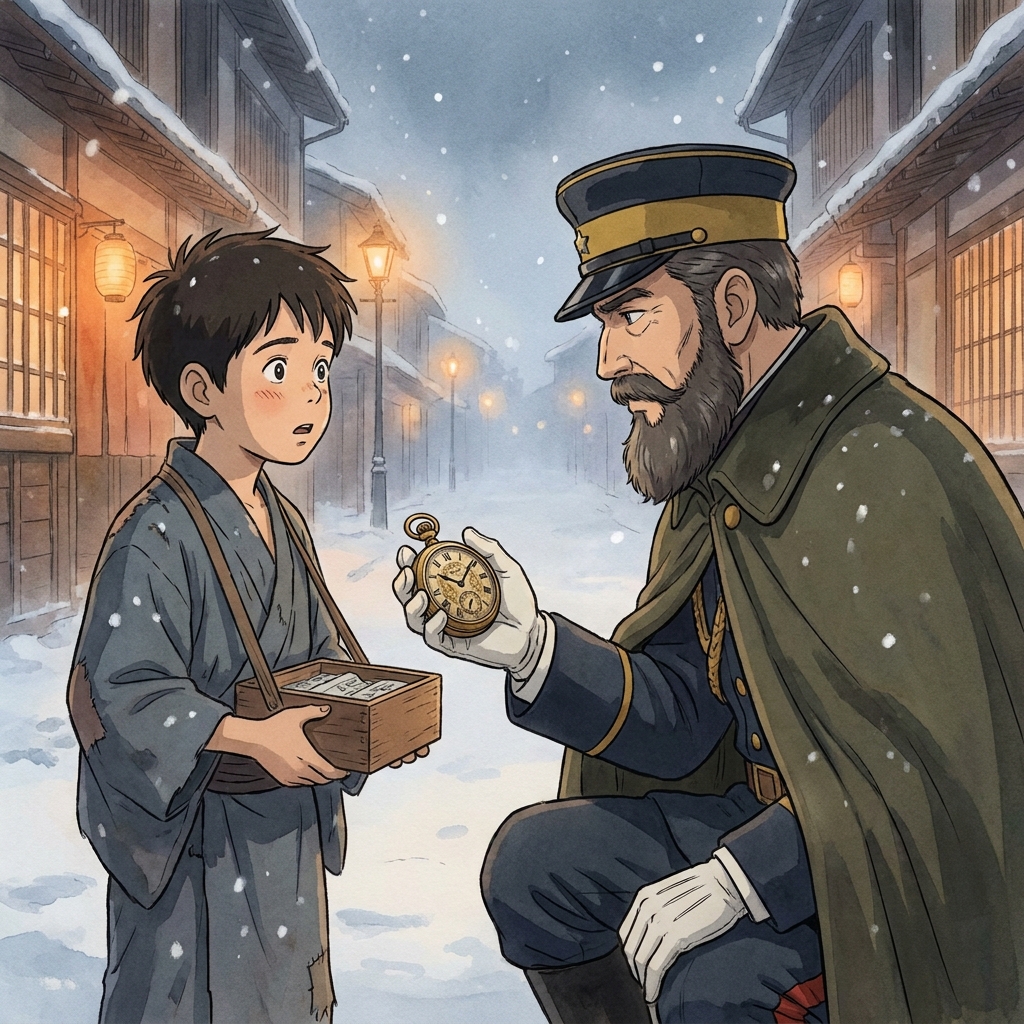
The text begins by introducing General Nogi Maresuke, a prominent military figure of the Meiji era and a known educator. His dramatic final act, committing junshi (ritual suicide to follow one’s lord in death) with his wife Shizuko upon the death of Emperor Meiji, profoundly shocked the Japanese people of the time. Nogi jinja shrines were built across the country to honor his virtue and enshrine him as a ‘gunshin’ (military deity). Among these, the three shrines in Tokyo, Kyoto, and Shimonoseki, which have deep connections to him, each hold interesting episodes and mysteries.
The Day ‘Yureizaka’ Became ‘Nogizaka’ and the Idol Holy Land (Tokyo Akasaka)
Nogi jinja in Akasaka, Minato Ward, Tokyo, is located adjacent to the former Nogi residence, where General and Mrs. Nogi committed suicide. This spot has become a mecca for ‘seichi junrei’ (pilgrimages to holy sites) by fans, serving as a holy land for the national idol group ‘Nogizaka46’.
Behind-the-Scenes Story and Mystery: Formerly Known as ‘Yureizaka’
Today, ‘Nogizaka’ has a glamorous image, but from the Edo period to the early Meiji era, it was known as ‘Yureizaka’ (Ghost Hill). This was because it was densely overgrown with trees, making it dark and desolate even during the day. After General Nogi’s junshi, the Akasaka Ward Council (at the time), regretting the loss of his loyalty, decided to rename the hill ‘Nogizaka’ on the day of his funeral. The story that if this name change hadn’t happened, that idol group might have been called ‘Yureizaka46’ is a well-known anecdote among fans.
Holy Site Pilgrimage Information:
Known as the place where Nogizaka46 members hold their coming-of-age ceremony each year, the jinja grounds are lined with ema (votive tablets) dedicated by the members. It is also known as the site where the promotional video for the stage play “Touken Ranbu” was filmed, making it an important spot for history, anime, and game fans as well.
The 3,000-Year-Old Hinoki Cypress and the ‘Kachima Kuri’ Pun (Kyoto Fushimi)
Located in Fushimi Ward, Kyoto City, right next to Emperor Meiji’s mausoleum (Fushimi Momoyama Ryo), is the Nogi jinja of Kyoto. For General Nogi, who revered Emperor Meiji throughout his life, being enshrined in this location must have been his ultimate wish.
Legend and Episode: The 3,000-Year-Old Beni Hinoki Cypress
The main gate of this jinja holds an astonishing legend. The inner side of the gate’s doors is made from a single plank of beni hinoki (Taiwanese red cypress), measuring about 1.8 meters wide and 3,000 years old, transported from Alishan, Taiwan. It is said that due to the deep respect General Nogi earned from the local people when he served as the 3rd Governor-General of Taiwan, this wood was donated from Taiwan during the jinja’s construction.
Interesting Information: The Military Deity’s Unexpected Pun
Contrary to the image of a strict military deity, Kyoto’s Nogi jinja has a playful side. There are omamori (charms) and stone monuments that pray for ‘kachimakuri’ (winning big/winning a lot) as a deity of victory luck, but this is a pun on ‘kachi-ma-kuri’ (winning chestnut), and chestnut motifs are frequently used in the juyohin (sacred items) offered. This is inspired by an anecdote that General Nogi enjoyed chestnuts during his lifetime, and the contrast with the serious historical background attracts visitors.
The ‘Water of Life’ from His Childhood and the Fortune-Telling Boy (Yamaguchi Shimonoseki)
Chofu, Shimonoseki City, Yamaguchi Prefecture, is General Nogi’s hometown. Here, Nogi jinja is enshrined alongside a reconstructed residence where he spent his childhood.
Episode: General Nogi and the Fortune-Telling Boy
On the jinja grounds, there is a bronze statue depicting General Nogi and a ‘tsujiura-uri no shonen’ (fortune-telling boy) whom he met during a visit to Kanazawa. It is an anecdote that the General, moved by the boy working to help his impoverished family, encouraged him by gifting his gold watch. This boy is said to have later worked hard and achieved success, and this story is passed down as a legend conveying General Nogi’s benevolence.
Mystery: Nogi’s Famous Water, ‘Ume no I’
On the jinja grounds, there is a well known as ‘Nogi’s Famous Water’. This water is drawn from the ‘Ume no I’ (Plum Well), which the Nogi family traditionally drank, and is considered the ‘source of life’ that nourished young General Nogi. Even today, it is believed that drinking this water brings benefits such as academic success and protection against senility.
Related Works and Holy Site Pilgrimage
The figure of Nogi Maresuke appears in many creative works due to his powerful character.
In Golden Kamuy, Nogi Maresuke appears in the work, depicting episodes from the Siege of Port Arthur. This has led to an increasing number of history fans visiting Nogi jinja shrines across the country to retrace his footsteps.
In Yuki Yuna is a Hero, the surname of one of the main characters, Sonoko Nogi, is said to be derived from General Nogi, and fans of the series sometimes visit Nogi jinja to explore the roots of her name.
His image as a plain-living, robust soldier, his sincere persona as an educator, and his unexpected connection to modern pop culture. A journey visiting Nogi jinja shrines across Japan promises to be a fascinating experience where Japan’s modern history and contemporary passions intersect.
Related Links and References