
 By ando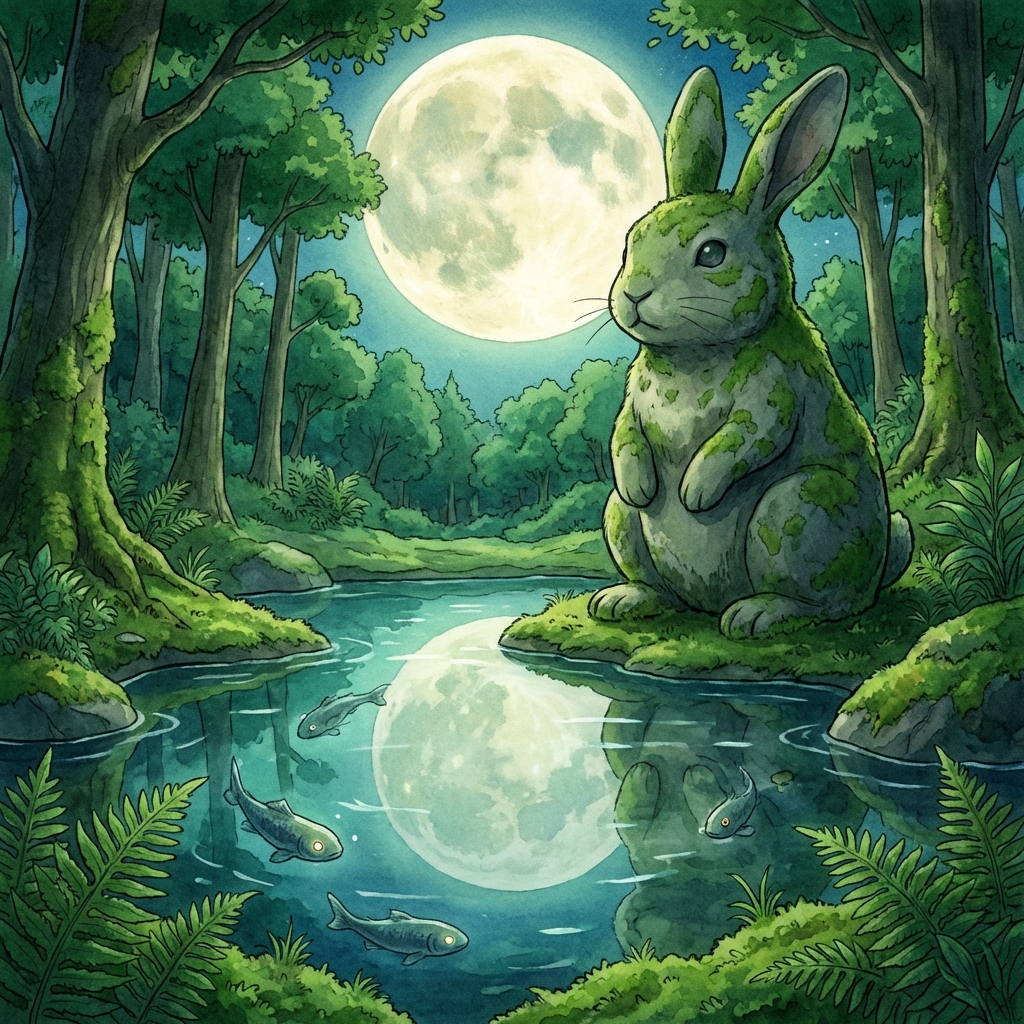
Tsuki jinja, located in Urawa Ward, Saitama City, Saitama Prefecture, is affectionately known by locals as “Tsukimiya-sama.” However, the moment you step onto its grounds, you will be surprised by a sight rarely seen at other jinja. This article will introduce the profound charm of this jinja, covering its history, mysteries, and even its role as an anime pilgrimage site.
Basic Information about Tsuki jinja
Location: 3-17-25 Kishicho, Urawa Ward, Saitama City, Saitama Prefecture
Enshrined Kami: Amaterasu Omikami, Toyouke-bime no Mikoto, Susanoo no Mikoto
Founding: During the reign of Emperor Sujin, the 10th Emperor (according to legend)
A jinja protected by rabbits, not komainu
The first thing that will surprise you when visiting Tsuki jinja is that you are greeted not by komainu (guardian dog-lions) at the entrance, but by rabbits. Throughout the grounds, from the chozuya (purification font) and the pond’s fountain to the carvings on the main sanctuary building, the image of rabbits can be found everywhere.
Why rabbits? This comes from the fact that the jinja’s name, ‘Tsuki’ (調), shares the same pronunciation as ‘tsuki’ (月), meaning ‘moon’. In the medieval period, it became associated with Tsukimachi belief, a folk religion centered on moon worship. As a result, rabbits, believed to be messengers of the moon, became the symbol of the jinja. Today, it is a popular “power spot” believed to attract good ‘tsuki’ (luck), with a continuous stream of visitors praying for success in competitions and financial fortune.
Mysteries and Legends: The “Seven Wonders” of Tsuki jinja
This jinja is home to “Seven Wonders” that have been passed down since ancient times. Let’s introduce some of the most prominent ones.
1. No Torii Gate:
The greatest mystery is the absence of a torii gate at the jinja’s entrance. There is a historical reason for this. In the past, this jinja was located within a complex of warehouses used to store offerings (mitsugimono, a type of tax or tribute) destined for Ise Jingu. It is said that a torii was never built because it would obstruct the large processions and carts transporting these offerings.
2. No Pine Trees:
There isn’t a single pine tree on the jinja grounds. According to legend, this is because Amaterasu Omikami, the older sister kami, grew tired of waiting for her younger brother kami, Susanoo no Mikoto, to return, saying, “I’m tired of ‘matsu’ (waiting),” which is a pun on ‘matsu’ (pine tree). Another unique theory suggests that the kami who went to Hikawa jinja in Omiya did not return for a long time, and everyone grew tired of waiting.
3. Fish in Mitarashi Pond become one-eyed:
There is a mysterious legend that fish released into the pond on the grounds eventually become one-eyed.
4. No Mosquitoes:
It was once said that “there are no mosquitoes on the grounds of Tsuki jinja.”
Other wonders, such as “birds do not sing” and “bamboo does not grow,” are also recounted, continuing to convey the jinja’s ancient mystique to this day.
Urawa’s Pride! A Kami of Good Fortune in Competition
Due to its name “Tsuki” (調), which sounds like “tsuki” (luck), Tsuki jinja is also famous as the place where the J.League football team “Urawa Reds,” based in Urawa, visits annually to pray for victory. The sight of the players making their prayers has become a familiar sight in Urawa, making it a sacred place for people who want to bring good “tsuki” (luck) at crucial moments in competitions, such as sports events or entrance exams.
Anime Pilgrimage: “Urawa no Usagi-chan”
Tsuki jinja is also known as a pilgrimage site for “Urawa no Usagi-chan,” a local anime set in Urawa, and its second season, “Musashino!”.
The title of the work itself is derived from the jinja, and the names of all the characters, including the protagonist Takasago Usagi, are taken from place names in Urawa. The jinja grounds and the rabbit stone statues are faithfully depicted in the anime, making it an essential pilgrimage spot for fans.
Highlights for Your Visit
When you visit Tsuki jinja, be sure to check out the “rabbit goshuincho” (seal book) and the “rabbit omamori” (charm). The adorable charms depicting rabbits are especially popular among women and students preparing for exams.
The unusual absence of a torii gate and the watchful rabbits scattered throughout the grounds. Tsuki jinja is a special space truly filled with “tsuki” (luck), where the weight of history and mysterious legends coexist. When you visit Urawa, be sure to experience its mystical atmosphere.
No sources available.