 By ando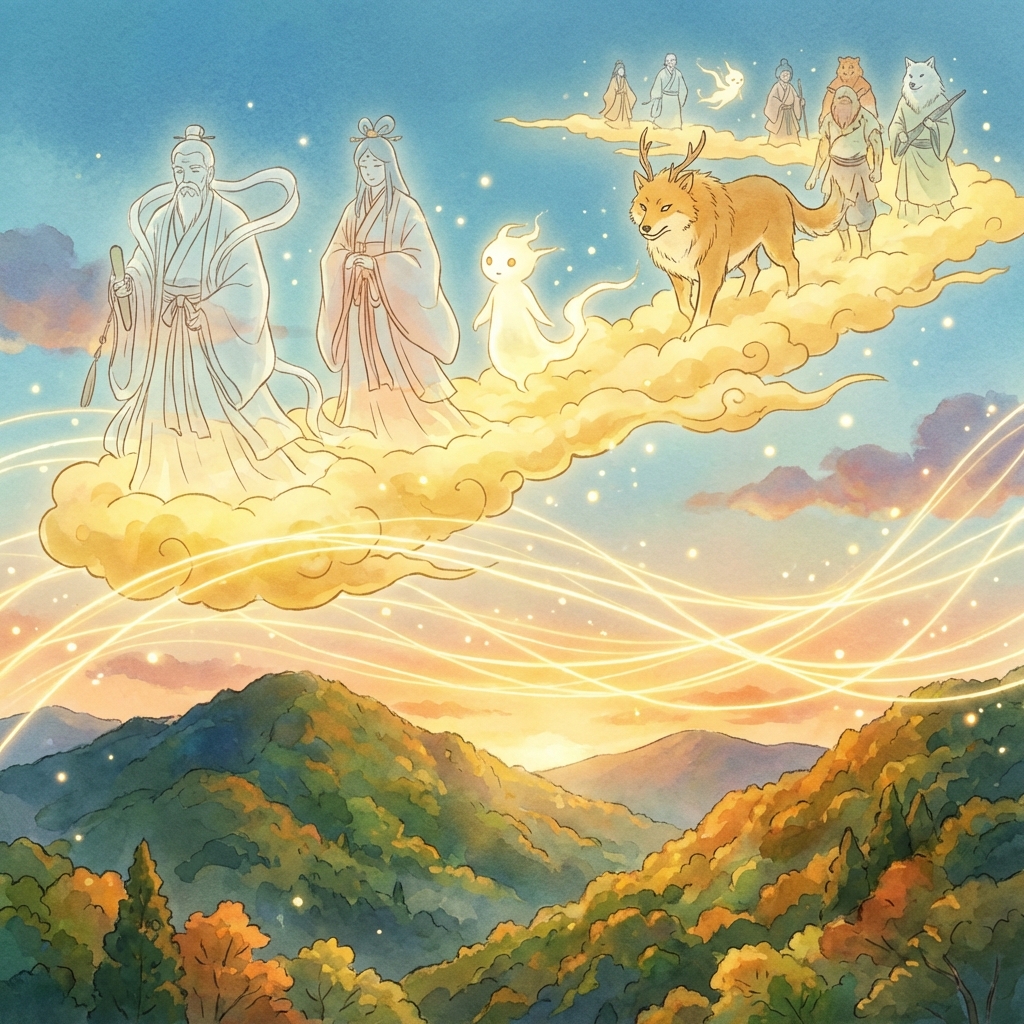
Did you know that in the tranquil cityscape of Matsuyama, Ehime Prefecture, where trams gently glide, there is a special place that formally received a bunrei (divided spirit) from Izumo Taisha Grand Shrine in Shimane Prefecture? This time, we introduce Izumo Taisha Matsuyama Bunshi (Izumo Matsuyama Bunshi), where you can receive the powerful divine virtues of Izumo Taisha even while in Shikoku.
Basic Information
Location: 3-5-5 Honmachi, Matsuyama City, Ehime Prefecture
Enshrined Kami: Okuninushi-no-Okami (also known as Daikoku-sama)
Divine Blessings: Enmusubi (matchmaking, good relationships), good fortune, business prosperity, warding off evil
Access: Immediately walking distance from Honmachi Sanchome tram stop on the Iyo Railway Honmachi Line.
The Mystery of “Two Bows, Four Claps, One Bow” in Matsuyama
Izumo Taisha is known for its unique worship etiquette of “two bows, four claps, one bow,” which differs from the standard “two bows, two claps, one bow” found at most jinja shrines. This tradition is strictly observed here at Matsuyama Bunshi as well.
There are various theories as to why four claps are performed. Some say that since ancient times, the number “four” has been associated with “happiness” (shiawase), while others believe it expresses reverence for the kami that protect the four cardinal directions. The sound of four claps echoing amidst the bustle of Matsuyama brings a refreshing sense of solemnity, as if straightening one’s posture.
Legend and Mystery: Why the Kami of Izumo Came to Matsuyama
The history of Izumo Taisha Matsuyama Bunshi dates back to Meiji 10 (1877). At that time, branch shrines (bunshi) were built in various locations to spread the faith of Izumo Taisha nationwide, but Matsuyama was chosen due to a deep connection.
The Hisamatsu family, who were the feudal lords of the Matsuyama Domain, had close ties with the Senge family, the chief priests of Izumo Taisha. Thanks to this historical background, “Daikoku-sama” was readily embraced by the people of Matsuyama as a very familiar presence.
Furthermore, a curious local story is whispered:
“During Kannazuki (the tenth month of the lunar calendar, approximately October), when all eight million kami from across Japan gather at Izumo, the kami of Shikoku use this Matsuyama Bunshi as a transit point on their way to Izumo.” While the truth of this story is uncertain, many visitors report feeling a sacred atmosphere at Matsuyama Bunshi during this period, distinctly different from other times.
Giant Shimenawa and the “Enmusubi” Backstory
The first thing that catches the eye upon entering the shrine grounds is the magnificent shimenawa (sacred rope) adorning the haiden (worship hall). Its impressive craftsmanship, reminiscent of the Kaguraden at the main Izumo Taisha, is awe-inspiring.
What’s notable here is the definition of “enmusubi.” At Izumo Taisha, enmusubi refers not merely to romantic relationships between men and women, but to “good connections for everyone’s happiness.”
As an inside story of Matsuyama Bunshi, it has a strong reputation among locals for fostering “good work connections.” There are countless anecdotes of people visiting the shrine before starting a new project or during job hunting, only for things to progress at a surprisingly fast pace.
Pilgrimage Information: Anime Connection
Matsuyama City serves as the setting for many anime and other works, but Izumo Taisha Matsuyama Bunshi itself is not currently confirmed to be a main feature in any anime.
However, many fans enjoying pop culture pilgrimages for popular anime set in Matsuyama, such as “Between the Sky and Sea” (Onomichi is main, but Ehime is also related) and “A Town Where You Live,” are often seen stopping by this Matsuyama Bunshi to pray for safe travels and “good connections with the series.” It seems that for savvy fans, the enjoyable way to approach a pop culture pilgrimage in Matsuyama City is to first visit here to forge “connections” before setting out.
Points for Worship
Matsuyama Bunshi is located very close to Matsuyama Castle. This area, where the power of the castle mountain and the power of Izumo’s kami converge, is one of Matsuyama City’s premier power spots.
Notably, ringing the “Bell of Happiness” located next to the haiden produces a clear, resonant sound that feels as if it cleanses the heart.
When you visit Matsuyama, why not prepare your heart and pray for wonderful connections at Izumo Taisha Matsuyama Bunshi before relaxing your body at Dogo Onsen?
Related Links / References
No sources available.