 By ando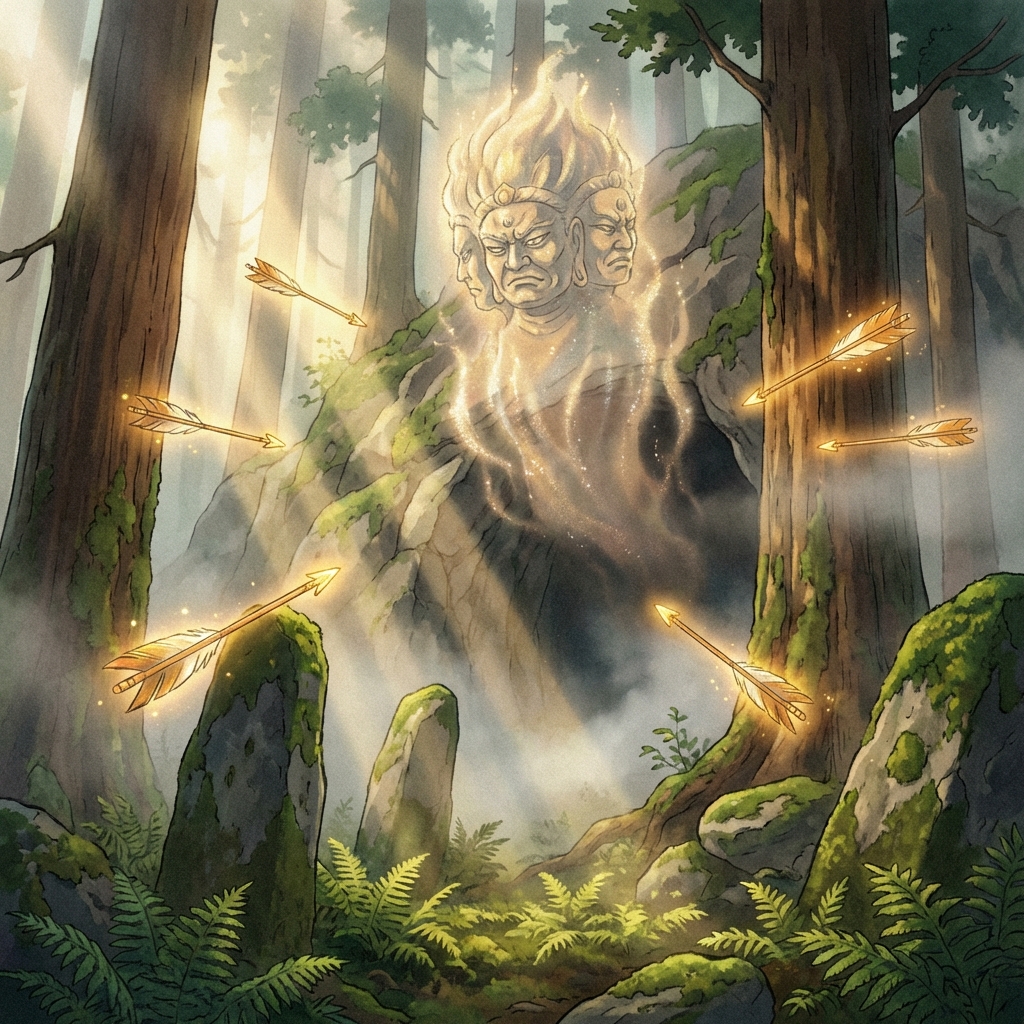
Ariakeyama jinja, located in Azumino City, Nagano Prefecture, is an ancient jinja dedicated to mountain worship, with the majestic Mount Ariake (2,268m above sea level) in the Northern Alps as its goshintai (sacred body of a kami). Known for its stunning beauty and profound history, this jinja continues to attract numerous worshippers and climbers. Let’s explore its charms.
Basic Information
Location: 7271 Hodaka Ariake, Azumino City, Nagano Prefecture (Sato-miya)
Enshrined kami: Amenotajikarao-no-mikoto, Yagokoro Omoikane-no-mikoto, Oonamuchi-no-mikoto, and others
Goshintai (Sacred Body of a Kami): Mount Ariake (also known as Shinano Fuji)
Features: The Sato-miya (lower shrine) is located at the foot of the mountain, while the Okumiya (inner shrine) is enshrined at the summit of Mount Ariake.
Gorgeous and Ornate Carvings, Dubbed “Nikko of Shinshu”
The highlight of Ariakeyama jinja is the Yumeimon Gate, built in 1902 (Meiji 35). It was named after Nikko Toshogu’s Yomeimon Gate, which it emulates, and is also known as “Shinano Yomeimon.”
Adorning this gate is a magnificent collection of carvings by Shimizukichi Torakichi, a master sculptor of the prestigious Tachikawa-ryu school, which has continued since the Edo period. The intricate designs include the twelve Chinese zodiac animals, figures based on China’s “Twenty-Four Paragons of Filial Piety,” and even a “Meneko” (waking cat) – a playful nod to Nikko’s “Sleeping Cat.” Every detail is meticulously crafted. The chozuya (water purification pavilion) also features exquisite carvings by Hida master craftsmen, making it a place to fully appreciate architectural beauty.
Azumino’s Hero or a Fearsome Demon? The Legend of Hachimen Daio
Around this jinja, one of Azumino’s most famous mysteries, the legend of Gishiki Hachimen Daio, breathes on.
According to the legend, long ago, there was a demon (oni) or bandit called Hachimen Daio who tormented villagers from his base on Mount Ariake. Sakanoue no Tamuramaro was dispatched to subdue him, but the Daio (Great King) was incredibly strong and difficult to defeat. It is said that he was finally shot down with an arrow made from the tail feathers of a mountain bird, following a divine revelation from Kannon (the Goddess of Mercy).
Fearing the Daio’s resurrection through his demonic powers, Tamuramaro dismembered his body and buried the parts across various locations in Azumino. Near Ariakeyama jinja is Gishiki no Iwaya (Gishiki’s Cave), where the Daio is said to have holed up, and it is still said to emanate a unique, eerie energy. However, another theory suggests that the Daio was in fact a local hero who resisted the imperial court’s rule, adding a romantic twist that hints at a hidden side of history.
Did Amano-Iwato Fly Here? Surprising Mountain Mythology
A grand myth associated with one of the enshrined kami, Amenotajikarao-no-mikoto, also remains. Legend has it that when Amenotajikarao-no-mikoto, with immense strength, hurled the Amano-Iwato (Heavenly Rock Cave) where Amaterasu Omikami (Sun Goddess) had hidden, a part of it flew and piled up to form Mount Ariake. For this reason, Mount Ariake has long been revered as a powerful spiritual spot.
Test Your Luck! The “Lucky Charm and Fortune Stone”
Within the jinja grounds, there is a large stone with a square hole, known as the “Kaiun-Shofuku no Ishi” (Lucky Charm and Fortune Stone). It is believed that passing through this hole will bring good fortune, making it a popular hands-on attraction for visitors. Be careful not to get injured when attempting it, as the hole is surprisingly narrow, but the sense of accomplishment after passing through is immense.
Anime Pilgrimage: Tracing the Roots of “Ushio and Tora”
Ariakeyama jinja and its surroundings are an indispensable pilgrimage site for fans of Kazuhiro Fujita’s popular manga and anime, “Ushio and Tora.”
The powerful yokai (supernatural creature) “Hachimen Daio” that appears in the series is directly modeled after the legend passed down in this very region. Many fans visit Gishiki no Iwaya and the jinja to experience firsthand the overwhelming presence depicted in the story and the legendary setting that overlaps with the landscape of Azumino.
A Little-Known Fact About Your Visit
In fact, the kami of Ariakeyama jinja was formally enshrined (bunshi) within the destroyer “Ariake” of the former Imperial Japanese Navy. For this reason, a monument related to the navy still remains on the jinja grounds today. From mountain worship and anime to modern history, Ariakeyama jinja possesses multi-layered appeal. When you visit Azumino, be sure to experience its mystical atmosphere.
Related Links and References