
 By ando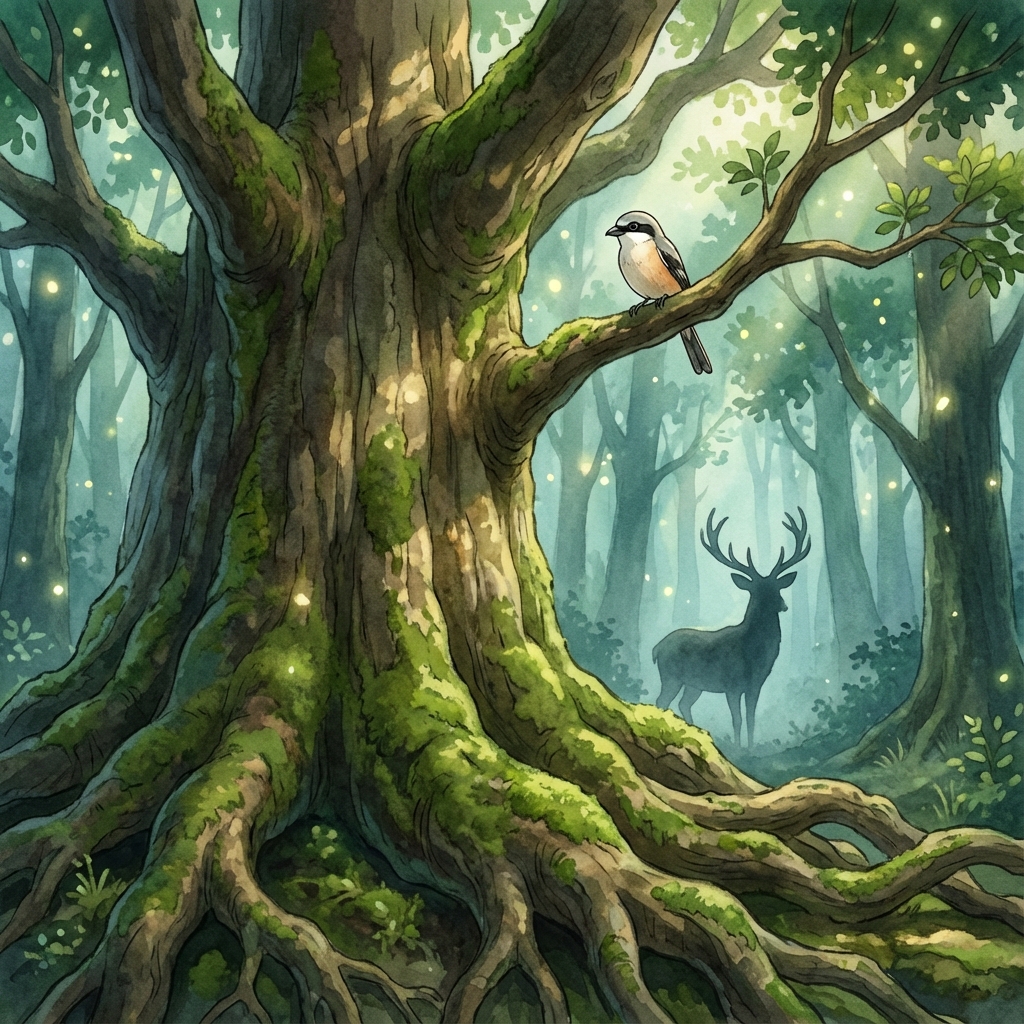
Mozu Hachimangu jinja, located in Sakai City, Osaka Prefecture, stands just south of the World Heritage Site, the Kofun (tumulus) of Emperor Nintoku. Boasting sprawling grounds of approximately 33,000 square meters, this jinja, affectionately known for centuries as “Mozu no Hachiman-san,” is steeped in mysterious legends that history textbooks alone cannot fully convey, and vibrant festivals that stir the souls of its people.
Basic Information
Location: 5-706 Mozuakabata-cho, Kita-ku, Sakai City, Osaka Prefecture
Enshrined Kami: Emperor Ojin
Founding: It is said to have originated when Empress Jingu, on her way back from the Sankan Seibatsu (Conquest of the Three Kingdoms of Korea), prayed for the eternal prosperity of this land (Mozu) and buried her royal robe (Ooke no Onkoromo) as her substitute.
The Mystery Hidden in the Origin of the Name “Mozu”
A slightly terrifying yet intriguing legend remains regarding the name of this place, “Mozu.” According to the Nihon Shoki (The Chronicles of Japan), when Emperor Nintoku attempted to construct his mausoleum here, a deer suddenly ran out from the field and collapsed. Curious, they investigated and found a shrike (mozu) flying away from the deer’s ear, which had been gnawed away. From this incident, the area came to be known as “Mozu Mimihara” (Shrike Ear Field). The jinja’s name also derives from this legend, an episode that evokes both the wonder of nature and the will of the kami.
800 Years Old! The Power Residing in the Magnificent Giant Camphor Tree
Standing out prominently on the grounds is the “Okusu” (Giant Camphor Tree), designated a Natural Monument of Osaka Prefecture. Its age is estimated to be between 800 and 1,000 years, with a trunk circumference of approximately 9 meters and a height of about 25 meters. Legends associated with this giant camphor tree include “it was planted by Empress Jingu” and the belief that “a kami resides within the tree, and touching it brings vitality.” Standing before it, you will undoubtedly be overwhelmed by its immense life force and sense that this is a truly sacred place.
Grand and Splendid! The Tsukimi Matsuri and the Story Behind the Futon Taiko
Mozu Hachimangu jinja is famous for its “Tsukimi Matsuri” (Moon Viewing Festival), held annually on the weekend closest to August 15th of the lunar calendar. The main attraction of this festival is the “futon taiko,” a drum float weighing approximately 3 tons and standing about 4 meters tall. Many might wonder, “Why ‘futon’?” In fact, the five-tiered red decoration at the top of the drum float mimics a futon and is said to represent the “mikura,” a seat for the kami. The climax of the festival, when the colossal futon taiko vigorously charges up the jinja’s stairs, is nothing short of breathtaking. The unique chants of the bearers, “Be-ra, be-ra, berashosshoi!”, are so powerful they will echo in your ears long after you hear them.
A Hidden Highlight: Connection to the Origin of Haniwa
The area around Mozu Hachimangu jinja was once home to a cluster of giant kofun. Historically, the Hanishi clan, who created “haniwa” (clay figures) placed around kofun, resided in this area. Many places near the jinja still retain traces of kofun. A stroll around the area after your visit will allow you to connect with the prayers of ancient people embedded in this land and the mysteries of their views on life and death.
Tips for Your Visit
Mozu Hachimangu jinja is revered as a kami for warding off evil, ensuring family safety, and success in competitions. If you wish to draw power from the great camphor tree, a visit during the quiet early morning hours is highly recommended. With its deep greenery that makes you forget the city’s hustle and bustle, and numerous legends stretching back to antiquity, be sure to visit this mystical space when you come to Sakai.
Related Links / References
No sources available.