 By ando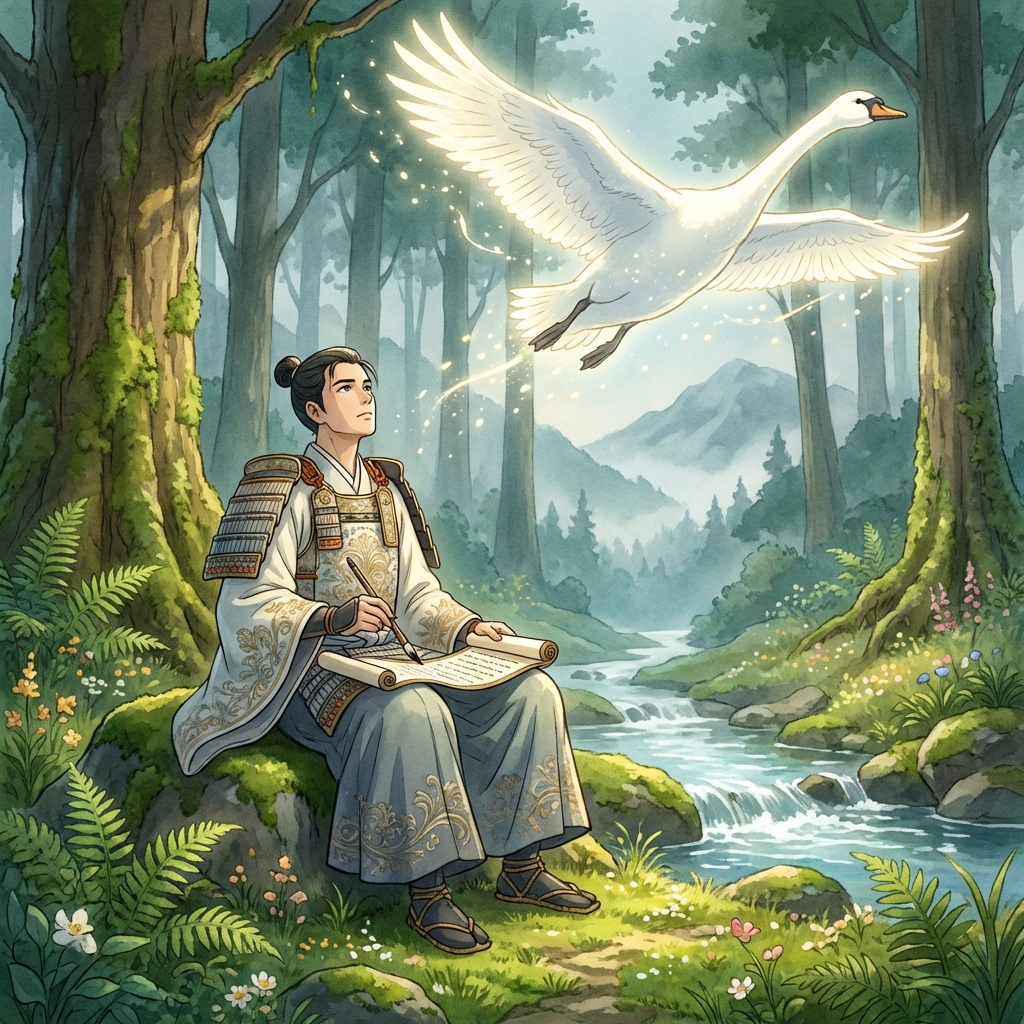
In Hamamatsu City, Shizuoka Prefecture, a place once known as “Iinoya,” rests the soul of a noble imperial prince who lived with dignity despite being tossed by the turbulent waves of history. This time, we will delve into the charms and hidden stories of “Iinoya-gu jinja,” also known as a place associated with Ii Naotora.
Basic Information on Iinoya-gu jinja
Location: 1991-1 Iinoya, Inasa-cho, Hamana-ku, Hamamatsu City, Shizuoka Prefecture.
Enshrined kami: Imperial Prince Munenaga (Munenaga Shinno).
Established: Meiji 5 (1872).
Shrine rank: Kanpei Chusha (one of the Fifteen Shrines of the Kenmu Restoration).
Iinoya-gu jinja enshrines Imperial Prince Munenaga, the fourth son of Emperor Go-Daigo, who fought across the eastern provinces as the Seito Shogun during the Nanbokucho (Northern and Southern Courts) period. It was established on this site, believed to be the Prince’s final resting place, by order of Emperor Meiji.
Legends and Episodes: The “Master of Waka Poetry” Excelling in Both Literary and Martial Arts
Imperial Prince Munenaga was not just an imperial family member or a military commander. He was a highly revered Buddhist priest, having served as Tendai Zasu (the head priest of Enryaku-ji Temple on Mt. Hiei). Yet, he renounced his monastic vows to stand on the battlefield and was also a representative waka poet of the Nanbokucho period.
A 30-Year Struggle: Based in Iinoya, the Prince continued to fight for over 30 years, believing in the restoration of the Southern Court. However, the war situation was severe, forcing him into a wandering life, moving between Shinano and Kai.
Feelings Woven into Waka Poetry: He compiled his personal anthology of waka, the Shin’yo Wakashu. His poems, composed amidst the turmoil of war, convey a longing for his hometown (Kyoto) and a poignant determination to uphold the legitimacy of the Southern Court.
Deep Bonds with the Ii Family: Right next to Iinoya-gu jinja is Ryotan-ji Temple, the ancestral temple of the Ii family. The then-heads of the Ii family, Ii Michimasa and Takaaki, welcomed the Prince into their castle and protected him at the risk of their lives. It is said that this debt of gratitude became the origin of the “spirit of loyalty of the Ii family,” which continued through later figures like Ii Naomasa, one of the Four Great Generals of Tokugawa, and Ii Naosuke of the late Edo period.
Mystery and Untold Stories: The “Imperial Mausoleum” Resting Behind the Haiden (Worship Hall)
When you visit Iinoya-gu jinja, be sure to pay attention to the area behind the haiden. Here lies the “Imperial Mausoleum of Imperial Prince Munenaga (tomb),” managed by the Imperial Household Agency.
In truth, there are various theories about where the Prince met his end, with legends also remaining in Nagano and Yamanashi prefectures. However, here in Iinoya, there has long been a place called “Shinno-zuka” (Prince’s Mound), which local people have carefully protected for hundreds of years. When the jinja was built in the Meiji era, this site was formally recognized as his final resting place.
Additionally, within the shrine grounds, you can find rare “white swan ema” (votive tablets) as omamori (charms). These are inspired by the legend that the Prince transformed into a white swan and flew away upon his death, and are believed to grant wishes.
Anime Pilgrimage Information: A Place Also Visited by “Yuru Camp△” Fans
The Inasa area, where Iinoya-gu jinja is located, is also known as a pilgrimage site for the popular anime “Yuru Camp△” (Laid-Back Camp).
Yuru Camp△ Season 2: In Episode 3, where the protagonist Rin Shima visits the Lake Hamana area for solo camping, the adjacent “Ryotan-ji Temple” appears. While the beautiful garden of Ryotan-ji is depicted in the anime, its approach path connects to Iinoya-gu jinja, and many fans visit both as a set.
Local Cuisine: The “unagi” (eel) that Rin ate, and the vegetarian cuisine at the nearby “Okuyama Hokoji Temple,” are also among the joys of an anime pilgrimage.
Highlights for Your Visit
Iinoya-gu jinja offers seasonal beauty, with cherry blossoms in spring, hydrangeas in early summer, and autumn leaves. Particularly during the “Reisai” (annual festival) held in November, an elegant dance is dedicated in memory of the Prince.
If you are a history enthusiast, visiting it along with the adjacent Ryotan-ji Temple will allow you to experience the “Story of Iinoya” more deeply, spanning from the Nanbokucho period through the Sengoku period to the end of the Edo period. Please do immerse yourself in the tranquil atmosphere of this land, beloved by a tragic imperial prince.
Related Links / References
No sources available.