
 By ando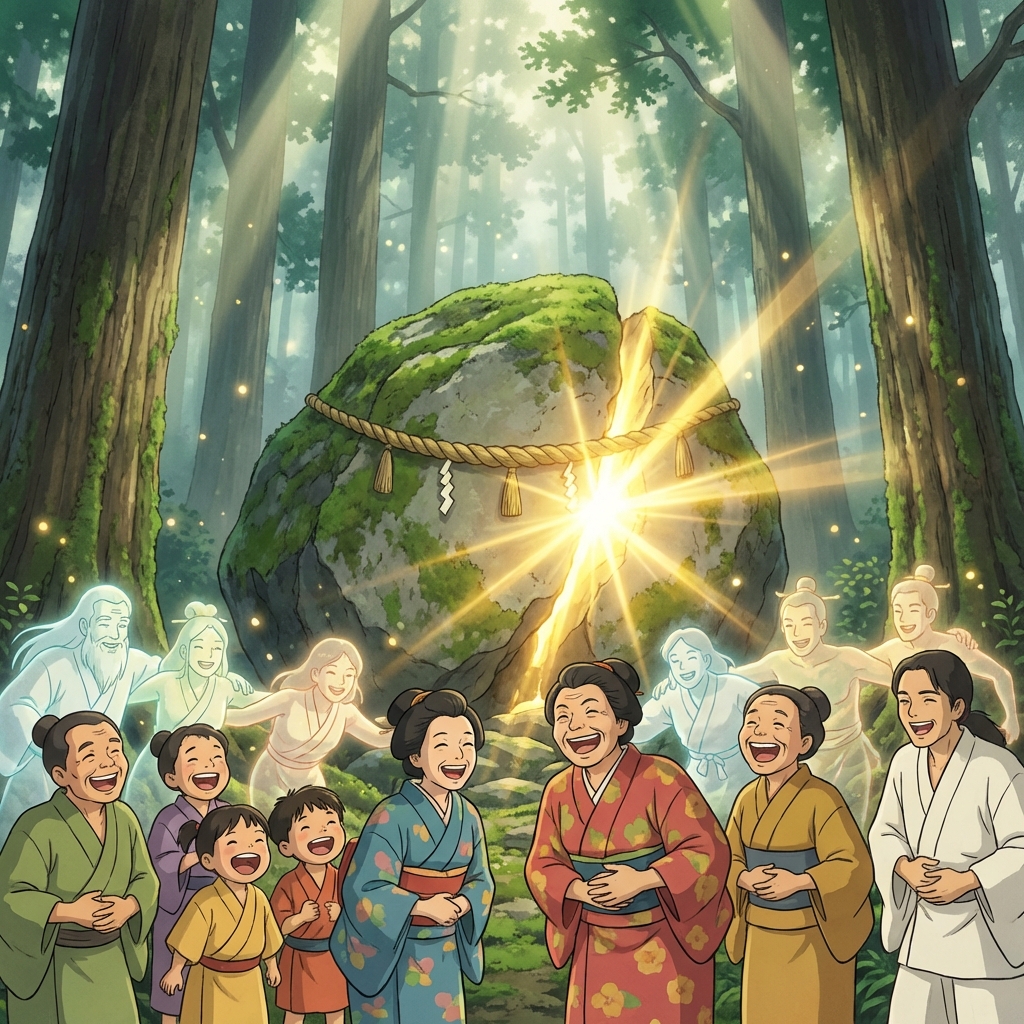
Hiraoka Jinja, nestled at the foot of Mount Ikoma in Higashiosaka City, Osaka Prefecture, is a revered ancient shrine. It once held the highest status as Ichinomiya (first shrine) of the former Kawachi Province, boasting a history of over 2600 years, with its founding said to predate the enthronement of Japan’s first Emperor, Jimmu.
However, the true wonder of this jinja lies beyond its long history. It holds surprising facts, such as being the origin of Nara’s Kasuga Taisha, a UNESCO World Heritage site, and is packed with mysteries and episodes known to insiders, including the “Laughing Shinto Ritual,” often called Japan’s most unique.
Basic Information
Location: Higashiosaka City, Osaka Prefecture, Izumoi-cho 7-16
Main Kami Enshrined: Amenokoyane no Mikoto, Hime-mikami, Futsunushi no Mikoto, Takemikazuchi no Mikoto
Shrine Rank: Kawachi Province Ichinomiya, Former Kanpei Taisha (Grand Imperial Shrine)
—
1. Nara’s Kasuga Taisha: Its “Origin” Was Here! The Mystery of “Moto Kasuga”
An essential point when discussing Hiraoka Jinja is its other name, “Moto Kasuga” (Original Kasuga).
Kasuga Taisha in Nara is famously known as the tutelary kami of the Fujiwara clan, but it is said that its founding began when two of Hiraoka Jinja’s main kami, Amenokoyane no Mikoto and Hime-mikami, were enshrined there as branch deities (kanjo).
In essence, Hiraoka Jinja is the “original” Kasuga Taisha. Within the shrine grounds, just like Kasuga Taisha, statues of deer (Nade-shika, or stroking deer), believed to be messengers of the kami, are enshrined, conveying its deep connection to Nara even today.
2. Laughing for 20 Minutes Straight!? The Legendary “Laughing Shinto Ritual”
The most famous event at Hiraoka Jinja is the Shimekake Shinto Ritual, commonly known as the “Laughing Shinto Ritual,” held annually on December 23rd.
This ritual is based on the “Ama-no-Iwato-biraki” (Opening of the Heavenly Rock Cave) episode from Japanese mythology. It reenacts the legend where countless kami laughed heartily to entice Amaterasu Omikami, who had hidden herself in the rock cave, to come out.
While it was once performed only by Shinto priests, general visitors can now participate. Following the lead of the head priest’s “Ah-ha-ha!”, all participants continue to laugh aloud for 20 minutes. This ritual, which purifies the evil spirits of the year and revives the power of the sun through laughter, is truly a powerful embodiment of the saying, “Laughter brings good fortune.”
3. Frightening Accuracy? The Inside Story of the “Kayu-ura (Rice Porridge Divination) Shinto Ritual”
The Kayu-ura Shinto Ritual, held annually on January 11th, is a special divination ceremony designated as an Intangible Folk Cultural Property of Osaka Prefecture.
Red bean porridge is cooked in a large pot, and bamboo tubes inscribed with the names of 53 types of crops are placed inside. The amount of porridge that enters each tube determines the year’s harvest, whether it will be bountiful or poor.
Furthermore, 12 oak branches are burned, and their charring indicates the weather for each of the 12 months. This method is locally renowned for its “frightening accuracy.” Not only farmers but also many people today pay close attention to this ritual as an indicator of the year’s fortune.
4. Japan’s Largest Scale! The “Futon Daiko” Dances at the Akisato-sai Festival
The Akisato-sai Festival, held in October, is another significant aspect of Hiraoka Jinja.
The sight of 23 enormous taiko drum floats, known as “Futon Daiko,” entering the shrine grounds is breathtaking, and its scale is said to be the largest in Japan. Men hoist these drum floats, each weighing about 2 tons and standing about 5 meters tall, and parade them along the approach path. This transforms the quiet guardian forest into a whirlwind of excitement, making it Higashiosaka’s largest event.
5. Ascending to the Sacred Peak of “Kamitsudake”
While the current main shrine buildings are located at the foot of the mountain, the original “Hon-gu” (main sanctuary), where kami are said to have first descended, is further up on Mount Kamitsudake.
This area is still preserved as an “ancient sacred ground.” After a 30-minute hike along the trail, visitors arrive at a mystical space reminiscent of ancient ritual sites. The spectacular view of the Osaka Plain from here seems to tell the story of why the kami once chose this land.
—
Hiraoka Jinja is not merely an old shrine; it is a wondrous place where mythology and modern smiles intersect. Before visiting Kasuga Taisha in Nara, why not visit Hiraoka Jinja, its “roots,” and laugh heartily with the kami?
Related Links and References