 By ando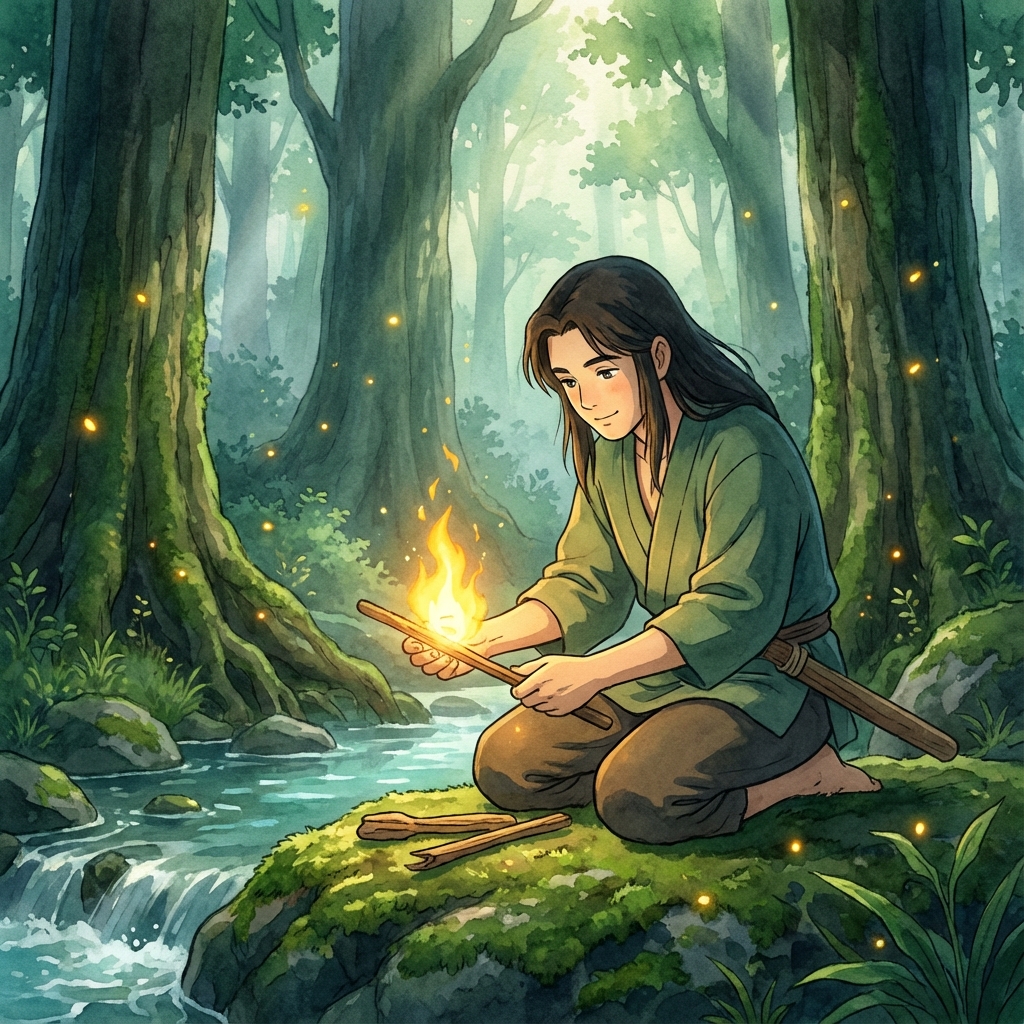
“Kumano Taisha” is a jinja located on the banks of the Iu River in Matsue City, Shimane Prefecture. While the Kumano Sanzan (Three Grand Shrines of Kumano) in Wakayama Prefecture are well-known, did you know that this Kumano Taisha in Shimane has a history of being ranked even higher than Izumo Taisha since ancient times, revered as “Japan’s most spiritually potent shrine” and an ancient jinja of extremely high prestige?
This article delves into the mysteries and charms of Kumano Taisha, known as the sacred site of the god of fire and Susanoo-no-Mikoto.
Basic Information
Location: 2451 Kumano, Yakumo-cho, Matsue City, Shimane Prefecture
Enshrined kami: Kaburogi Kumano Okami Kushimikenu-no-Mikoto
Note: This name is considered an alternate name for Susanoo-no-Mikoto.
Shrine Ranking: Ichinomiya of Izumo Province
Legend as the “Birthplace of Fire”
Kumano Taisha is known as “Hinodezome-no-Yashiro” (Jinja of the First Fire Ignition in Japan) and is believed to be the place where fire first originated in Japan.
The “ke” in the enshrined kami’s name, Kushimikenu-no-Mikoto, signifies food. The kami has been revered as the deity who presides over fire, a symbol of civilization, as fire is used to cook food.
Within the shrine grounds, the “Sankaden” is an ancient, venerable building with a thatched roof. Here, sacred tools for making fire, the “Hikiusu” (fire drill base) and “Hikine” (fire drill stick), are carefully preserved.
Does Izumo Taisha “Bow Its Head”? The Mysterious Sankasai Festival
Kumano Taisha holds a peculiar festival called “Sankasai,” which is rare even across Japan. This is a ritual where the chief priest of Izumo Taisha (Izumo no Kuni no Miyatsuko) receives “sacred fire” from Kumano Taisha, both during successions and as an annual custom.
Within this ritual, there is a unique act known as “Kamedayu-no-Gi.”
When mochi (rice cakes) are offered by the Izumo Taisha representatives, the ujiko (parishioner) of Kumano Taisha, known as Kamedayu, endlessly finds fault with them, saying things like:
“This mochi has a bad shape.” “Its color isn’t white.” “It’s too small.”
The envoy from Izumo Taisha must simply accept these criticisms with utmost humility and deference.
Why does the magnificent Izumo Taisha humble itself to such an extent? It is said to be because Kumano Taisha is the “source of fire” and acts as a “parent kami” presiding over the indispensable fire for Izumo Taisha’s rituals.
Hidden Mystery: The Theory of Susanoo’s Final Resting Place
It is generally believed that after subduing Yamata no Orochi, Susanoo-no-Mikoto built his palace at Suka Jinja (Unnan City). However, one theory suggests that he chose this very land of Kumano as his final resting place.
The clear stream of the Iu River flowing deep within the shrine grounds and the tranquil air of Mt. Tengu soaring behind it truly create a mystical atmosphere befitting a kami’s hidden abode.
Pilgrimage Spot Information: The Anime ‘Child of Kamiari Month’
Kumano Taisha is depicted as one of the settings in the animated film ‘Child of Kamiari Month’, released in 2021.
In this work, set throughout Shimane Prefecture, the main character Kanna visits Kumano Taisha as an important location on her journey to Izumo, where the kami gather. Many fans visit the shrine, comparing its serene atmosphere to the beautiful background art in the film, making it a new focal point for anime pilgrimages.
Furthermore, for those who love works featuring characters inspired by Susanoo-no-Mikoto (such as ‘BLUE SEED’) or stories based on Izumo mythology, Kumano Taisha is an essential pilgrimage spot, representing their “source” or origin.
Highlights for Your Visit
Next to the haiden (worship hall), there is also an “Enmusubi no Ike” (Matchmaking Pond) where visitors float papers with their wishes on the water. The pond is famous for its matchmaking blessings, inspired by the loving legend of Susanoo-no-Mikoto and Kushinadahime.
When you visit Izumo Taisha, why not also make a trip to Kumano Taisha, the “source of fire,” and experience the profound depths of mythology?
Related Links and References
No sources available.