 By ando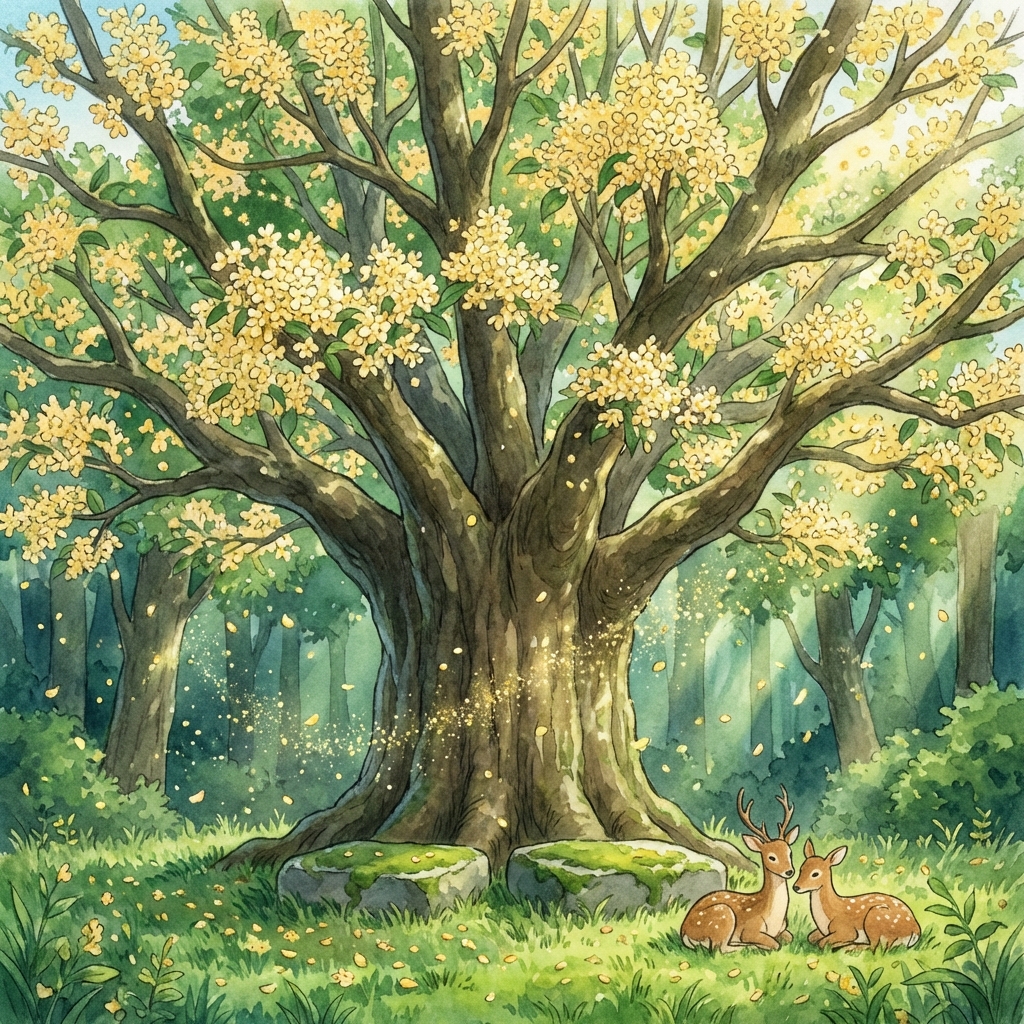
Mishima Taisha (みしまたいしゃ), located in Mishima City, Shizuoka Prefecture, has long been revered as Ichinomiya of Izu Province (the jinja with the highest rank in the region). It is also known as the place where Minamoto no Yoritomo prayed for the restoration of the Minamoto clan, and today, it attracts attention as a powerful “power spot” and a setting for popular anime.
Basic Information
Location: 2-1-5 Omiyacho, Mishima City, Shizuoka Prefecture
Enshrined kami: Oyamatsumi no Mikoto and Tsumihayaekotoshiro nushi no Kami. These two kami are collectively referred to as Mishima Daimyojin.
Divine blessings: Business prosperity, family safety, traffic safety, protection from evil, and, inspired by Yoritomo’s story, the fulfillment of great wishes and prayers for victory.
Minamoto no Yoritomo and Hojo Masako’s “Footprints of Restoration”
An essential part of Mishima Taisha’s story is the episode involving Minamoto no Yoritomo, who established the Kamakura shogunate. In his youth, after being defeated in the Heiji Rebellion and exiled to Izu, Yoritomo visited Mishima Taisha daily for 100 days, praying for the restoration of the Minamoto clan.
Within the shrine grounds, the Koshikakeishi (Sitting Stone) remains, said to be where Yoritomo and his wife, Hojo Masako, rested during their visits. It is believed that Yoritomo sat on the left stone and Masako on the right, and it remains a popular spot for history enthusiasts and couples today. Immediately after completing his prayers here, Yoritomo raised an army and successfully defeated the Taira clan, solidifying Mishima Taisha’s status as a “kami of victory.”
1200-Year-Old Natural Monument and the Mystery of the “Mishima Calendar”
Within the shrine grounds is the Kinmokusei of Mishima Taisha, designated a national natural monument. Estimated to be over 1200 years old, its faint yellow blossoms are said to have an aroma so strong that legend says it once reached several ri (a traditional unit of distance) away.
Mishima Taisha also holds the history of the Mishima-goyomi (Mishima Calendar), considered Japan’s oldest kana calendar. Used throughout the Kanto region during the Edo period, this calendar was issued by generations of the Kawai family, who were Shinto priests of Mishima Taisha (today’s Mishima-goyomishi no Yakata). This calendar, which can be called a precursor to scientific calendars, tells us that Mishima has long been a center of culture and information.
Anime Pilgrimage: “Shikanoko Nokonoko Koshitantan” and “Love Live!”
In recent years, Mishima Taisha has also become a popular “holy site” among anime fans.
Regarding Shikanoko Nokonoko Koshitantan: Mishima Taisha appeared in episode 6. The Shinkaen (Sacred Deer Garden), which exists within the shrine grounds, was depicted in the anime. Deer received from Nara’s Kasuga Taisha are raised here, and it is common to see anime fans visiting to meet the shika (deer).
Regarding Love Live! Sunshine!!: As Mishima is located next to Numazu City, the setting for the anime, collaborations with Mishima Station and the Izuhakone Railway are frequent. The area around Mishima Taisha is also part of fans’ pilgrimage routes, with many “Love Livers” visiting, especially during the Hatsumode (New Year’s first visit to a jinja) season.
Must-Try Lucky Charm “Fukutaro”
After your visit, don’t miss Fukutaro (ふくたろう), a lucky mochi sweet available at the tea house within the shrine grounds.
This mochi, made of kusa-mochi (mugwort mochi) filled with smooth anko (red bean paste), actually has a distinctive shape. It is modeled after the face of “Fukutaro,” a character (depicted wearing an eboshi hat) who appears in Mishima Taisha’s Ta-uchi Shinji (rice planting ritual). Due to its unique appearance, it is sometimes affectionately called “Regent Mochi,” but its taste is exquisitely sweet and refined.
Mishima Taisha is a place where the weight of history, the mystery of nature, and modern anime culture intersect. Why not visit this gateway to Izu and receive the powerful “kattsuun” (victory luck) that Yoritomo himself was said to have received?
Related Links / References