 By ando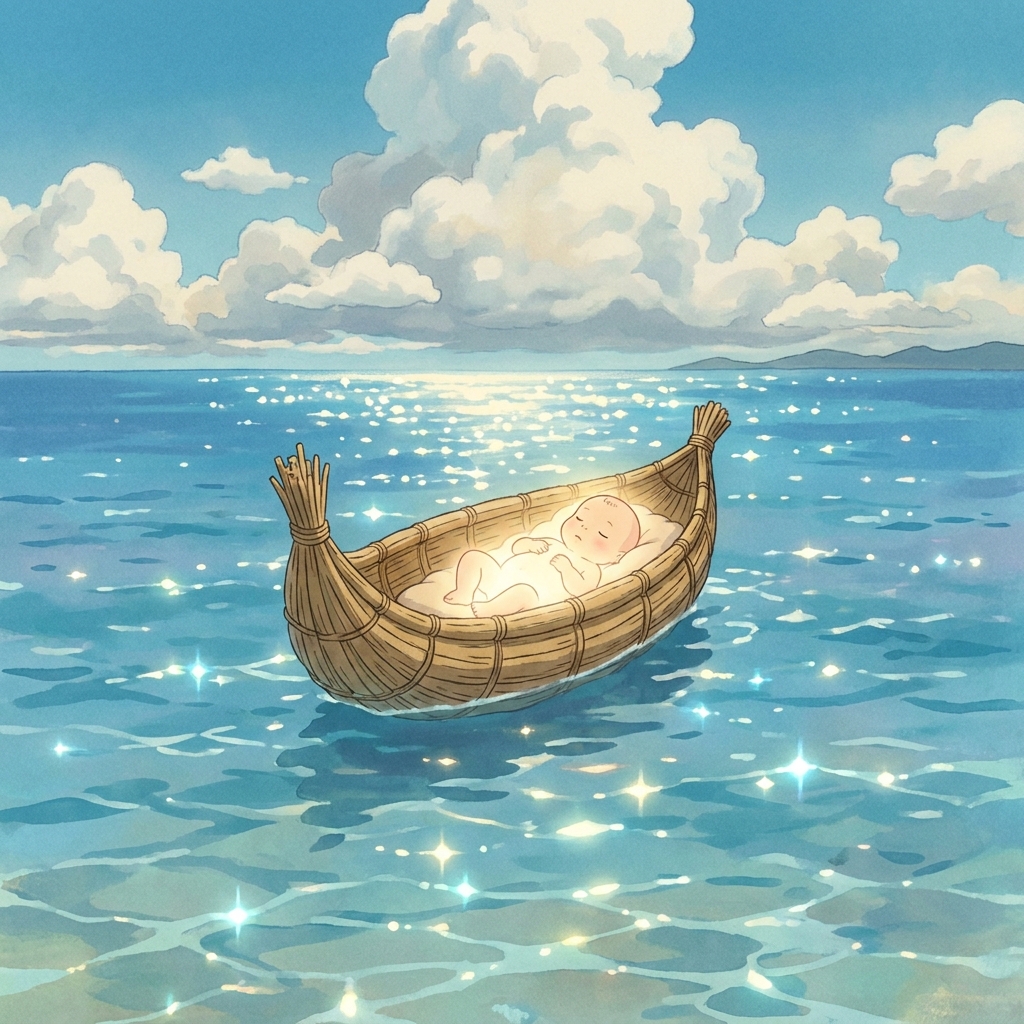
Basic Information
Name: Nishinomiya Jinja
Location: 1-17 Shakecho, Nishinomiya City, Hyogo Prefecture
Enshrined kami:
First Sanctuary: Ebisu Okami (Hiruko no Okami)
Second Sanctuary: Amaterasu Omikami, Okuninushi Okami
Third Sanctuary: Susanoo Okami
Divine Blessings: Business prosperity, good fortune, maritime safety
Legend: The True Identity of the “Abandoned Kami” Washed Ashore
There is a legend that the main enshrined kami of Nishinomiya Jinja, “Ebisu-sama,” is actually Hiruko, the tragic kami from Japanese mythology. Hiruko was the first child born to Izanagi-no-Mikoto and Izanami-no-Mikoto. Due to a deformity, Hiruko was placed in a boat made of reeds and cast out to sea.
The boat drifted ashore off the coast of Wada Misaki in present-day Kobe. Local fishermen retrieved it and enshrined Hiruko with great care. It is said that a divine oracle then led to Hiruko being enshrined at the current location of Nishinomiya. Here lies the ultimate rags-to-riches story: an “abandoned kami” who, over time, came to be beloved across Japan as a “kami of good fortune.”
Mystery and Behind-the-Scenes Story: Why Are the Kadomatsu Placed Upside Down?
Nishinomiya Jinja has a very unusual custom: “upside-down kadomatsu” that can only be seen during the New Year period. Normally, kadomatsu have pine branches facing upwards, but here, the branches are intentionally rearranged to point downwards.
There is a heartwarming story behind this, related to Ebisu-sama. It is said to have originated from the “consideration” of the parishioners, who worried that the pine needles of the kadomatsu might poke Ebisu-sama’s eyes when he makes his rounds through the town on a sacred horse on the night of January 9th. It’s not so much a mystery spot as it is a “spot of thoughtfulness,” where the gentle concern of the people of Nishinomiya not to harm the kami has taken form.
Historical Mystery: Are the Roots of Bunraku Here? The Shadow of the Kugutsushi
Nishinomiya Jinja is also said to be the birthplace of the traditional Japanese performing art of Bunraku (puppet joruri). In the past, puppeteers called “kugutsushi” lived around the shrine.
To spread the divine virtues of Ebisu-sama, they traveled nationwide, performing stories of Ebisu-sama using puppets. This eventually spread to Awaji Island and developed into Bunraku in Osaka. The Hyakudayu Jinja within the shrine grounds enshrines the ancestral kami of these kugutsushi and continues to attract devotees from the performing arts today.
Pilgrimage Site: The Setting for That Anime’s “Endless Summer”
For anime fans, Nishinomiya City is well-known as the setting (sacred site) for “The Melancholy of Haruhi Suzumiya.” Nishinomiya Jinja also appears in the series, most notably in the “Endless Eight” arc.
Nishinomiya Jinja is the model for the shrine visited by Haruhi and her friends in yukata during the summer festival scenes. The vermilion “Omotodaimon (Red Gate)” and the atmosphere of the shrine grounds depicted in the anime are highly accurate, and many fans still visit today, seeking the vestiges of that “endless summer.”
Enjoying Your Visit: Sticking Coins to a Giant Tuna!?
During the “Toka Ebisu” festival in January each year, a massive Pacific bluefin tuna weighing over 200kg is offered. It is said that sticking coins to the tuna’s body will bring “money to stick to you” (business prosperity), and the sight of the tuna’s surface completely covered in coins is truly impressive.
Furthermore, the “Omotodaimon” (Main Front Gate), which serves as the starting point for the nationally famous “Fuku Otoko (Lucky Man) Race,” is an Important Cultural Property believed to have been rebuilt by Toyotomi Hideyori. The full-sprint race from the gate, 230 meters away, to the main hall is actually a historic Shinto ritual that has continued since the Edo period.
Nishinomiya Jinja is not just a kami for business prosperity, but a place imbued with the strength to overcome mythological tragedy and the kindness of the local people. By all means, take a walk through, pondering the hidden stories of its history.