
 By ando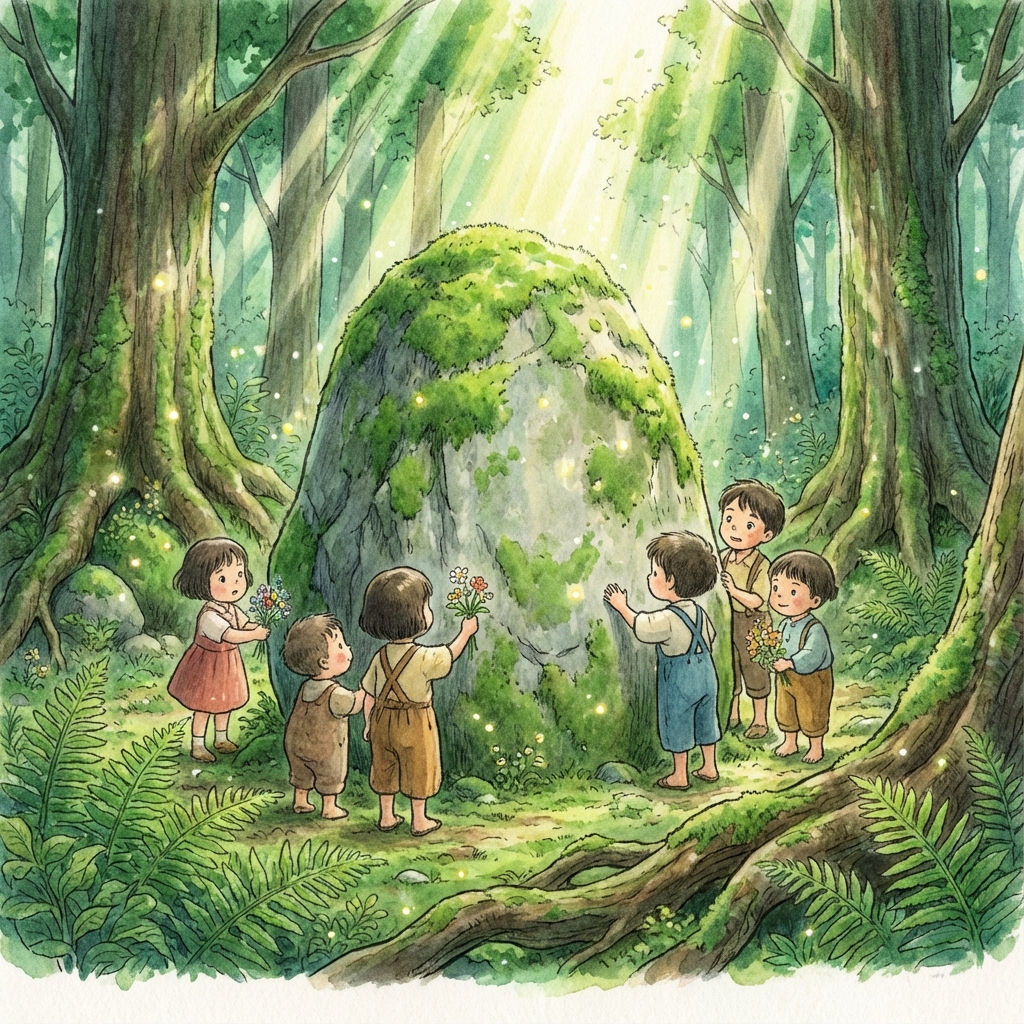
Located on the western shore of Lake Biwa in Shinasahicho Aiba, Takashima City, Shiga Prefecture, stands Okuninushi jinja. This shrine is affectionately known by locals as “Ikagawa-san” and has long been revered as the “guardian deity of children.”
This article will delve into the historical mysteries hidden within this jinja, the intriguing remnants of Shinbutsu Shugo (the syncretism of Shinto and Buddhism), and its unexpected connection to anime.
Basic Information
Location: Shinasahicho Aiba 619, Takashima City, Shiga Prefecture
Enshrined Kami: Onamuchi no kami (also known as Okuninushi no Mikoto)
Founding: Hoen 4 (1138)
Shrine Crest (Shimon): Mukai Botan (Facing Peonies)
The Mystery of “Imamiya” and “Komiyamiya”
Tracing the history of Okuninushi jinja reveals its alternative name, “Imamiya” (New Shrine). Its origin dates back to 1138 when this land became part of the Hieizan Enryakuji Temple’s territory (Kizu-sho manor), and the shrine was dedicated as the general guardian deity from Hiyoshi Taisha.
What’s fascinating is that while Hanifu jinja, a Shikinaisha (shrine listed in an ancient legal code) within the same manor, was called “Komiyamiya” (Old Shrine), Okuninushi jinja was named “Imamiya.” This structure, where two shrines, new and old, collectively guarded the region, serves as a valuable anecdote conveying the power dynamics and forms of faith prevalent at the time.
A Buddha inside a jinja? The Mystery of the Mirokuishi
Okuninushi jinja strongly retains elements from the Shinbutsu Shugo era, when Shinto and Buddhism were blended. The Mirokuishi (Miroku Stone), enshrined within the shrine grounds, is a symbol of this unique history.
Normally, kami (Shinto deities) are enshrined in a jinja. However, here, a stone symbolizing Miroku Bosatsu (Maitreya Bodhisattva) is enshrined. While the Meiji-era Shinbutsu Bunri Rei (edict to separate Shinto and Buddhism) led to the removal of Buddhist elements from many shrines, Okuninushi jinja still allows visitors to feel the atmosphere of a time when kami and Buddhas coexisted. This Mirokuishi quietly watches over visitors, a testament to the strong faith of people wishing for regional peace.
The Legendary “Ikagawa Matsuri” and Village Disputes
The “Ikagawa Matsuri,” which also gave rise to the shrine’s popular name “Ikagawa jinja,” bears the imprint of past disputes between villages.
In 1408 (Oei 15), a fierce conflict erupted between Kamigo (upper villages like Tai and Ikagawa) and Shimogo (lower villages like Fukamizo and Harie). As a result, the festival, which was originally one, is said to have split into two, held separately at Okuninushi jinja (Kami-no-Gozen, Upper Shrine) and Hiyoshi Ninomiya jinja (Shimo-no-Gozen, Lower Shrine). While it is now an established annual festival held on May 3rd, behind its splendor lies the pride and passion of the villagers of yesteryear.
Anime Pilgrimage: Takashima City and “Pupa”
Takashima City, with its uniquely tranquil atmosphere, has served as a setting or model for several anime works.
In particular, the anime “Pupa,” known for its shocking storyline, used Takashima City as a model for its setting and is recognized as a “sacred site” by fans. The somewhat eerie yet beautiful rural townscapes that appear in the work are reminiscent of the old streets around Okuninushi jinja and the scenery along Lake Biwa.
Furthermore, in recent years, as part of The Nippon Foundation’s “Umi to Nippon Project” (Ocean and Japan Project), Takashima City’s folk tale “Shikobuchi-san” was adapted into an anime. This story, themed around “ikada nagashi” (rafting) on the Adogawa River, is a work to check out alongside a sacred site pilgrimage, as it provides a deeper understanding of the waterside history and culture of this region, which Okuninushi jinja has protected for centuries.
Conclusion
Okuninushi jinja is more than just a kami of matchmaking (enmusubi) or business prosperity (shobai hanjo); it is a place where warm faith for the healthy growth of children intersects with the mysterious history of Shinbutsu Shugo.
When you visit Lake Biwa, why not extend your trip a little and feel the breath of history at this ancient jinja, nestled in a quiet forest?
References