 By ando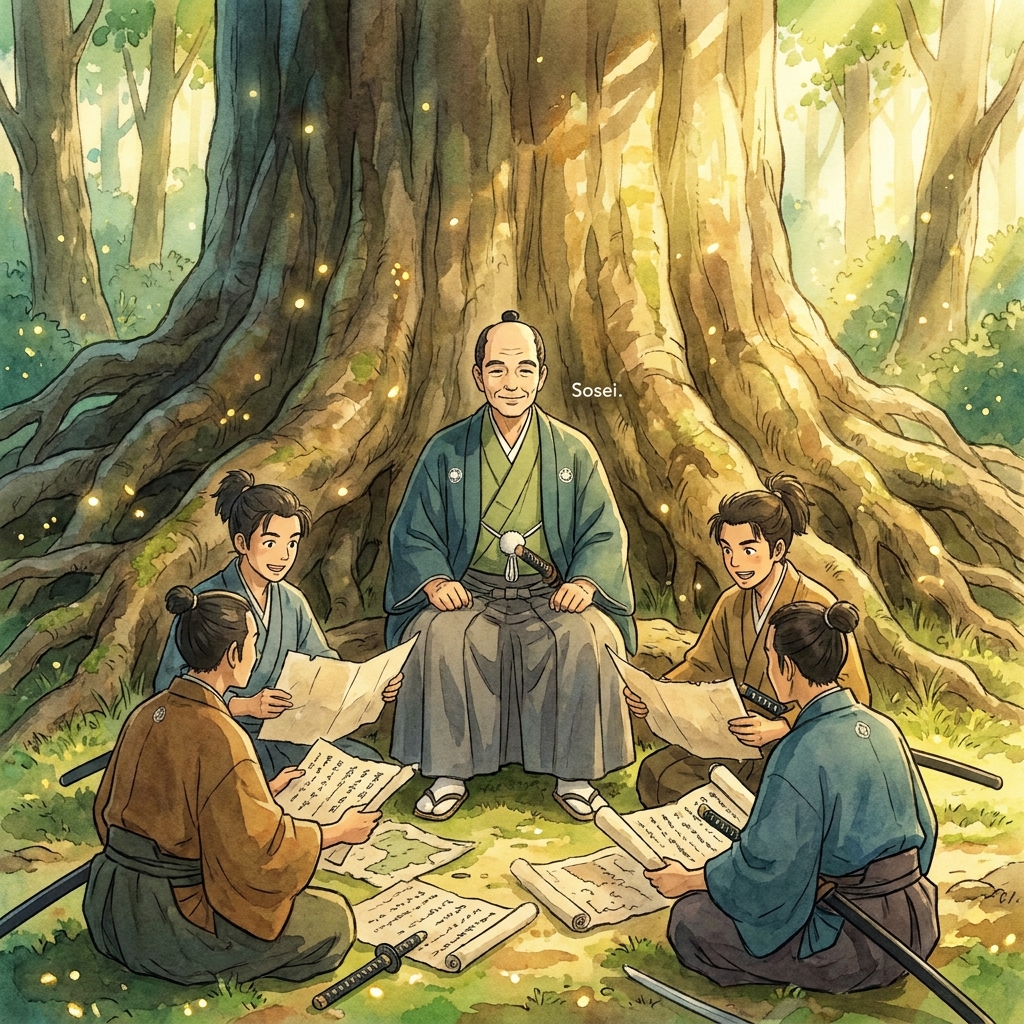
Basic Information
Location: 1-1-2 Tenka, Yamaguchi City, Yamaguchi Prefecture
Enshrined Kami: Lord Mori Takachika, Lord Mori Motonori
History: Noda Jinja was founded in 1873 (Meiji 6) to enshrine Lord Mori Takachika, who was the lord of the Choshu Domain during the late Edo period and laid the foundation for the Meiji Restoration. Together with the neighboring Hōei Jinja shrine, which enshrines Lord Mori Motonari, it is known as a highly prestigious jinja associated with the Mori family.
The Truth of “Sōsei Kō” — Indecisive, or a Rare Strategist?
Lord Mori Takachika, the main enshrined kami of Noda Jinja, has an unusual nickname: “Sōsei Kō.” This name came about because he would respond “Sōsei” (meaning “Do as you say” or “That’s right”) to any proposal from his retainers. However, there’s a deeper story behind it.
At that time, the Choshu Domain was in the midst of chaos, with fierce conflict between conservative and reformist factions. It is said that Lord Takachika’s deliberate and consistent affirmation with “Sōsei” was an “ultimate patience” designed not to stifle the momentum of young talents like Yoshida Shōin and Takasugi Shinsaku, but rather to give them the freedom to act. His willingness to take the blame himself, uniting the domain, was indeed a hidden strategy that led the Meiji Restoration to success.
The “Walking Noh Theater”? An Astonishing Relocation Mystery
The Noda Jinja Nōgakudō (Noh Theater), standing within the shrine grounds, is a Noh stage boasting one of the largest scales in Japan, donated by the Mori family in 1936 (Showa 11). This building was actually once located a short distance from its current spot, within the grounds of Noda Gakuen school.
In 1991, a construction method called “hikiya” (house pulling) was employed to move this massive Noh theater without dismantling it. The sight of the entire building sliding sideways to its current location became a big topic of conversation at the time, with people saying, “The Noh theater is walking.” It still retains its beautiful construction, made entirely of hinoki cypress, and is designated as a city tangible cultural property.
The Ultimate Power Spot? The Great Torii Featuring Names of Prime Ministers
As you walk along the sando (approach path), an impressive stone torii (shrine gate) will catch your eye. In fact, if you look closely at the names of the donors on this torii, a surprising truth is hidden.
Engraved there are the names of influential figures from Choshu who served as Prime Ministers during the Meiji and Taisho periods, such as Yamagata Aritomo and Terauchi Masatake. This torii, built by the men who achieved the Restoration, who regarded Lord Takachika as their “father,” and funded with their private wealth, can truly be called a power spot where the energy that brought about Japan’s modernization is condensed.
Find the Hidden “Heart”! Amulet Design Lurking in the Haiden
While Noda Jinja exudes a profound sense of history, if you examine the details of the haiden (worship hall), you can discover a pattern that closely resembles what we call a “heart mark” today.
This is an ancient Japanese traditional pattern called “inome,” imbued with the meanings of warding off evil and protecting against fire. While experiencing the rugged history of the late Edo period, discovering such charming designs is also one of the delights of visiting the shrine.
The adjacent Hōei Jinja also features a monument for “Hyakuman Isshin,” which conveys the spirit of Mori Motonari’s famous teaching, “The Three Arrows.” Visiting both shrines allows you to feel the Mori family’s indomitable spirit spanning several centuries. Why not immerse yourself in the profound generosity of the domain lord who supported the patriots of the Restoration, all within the tranquil shrine grounds?
Related Links and References