 By ando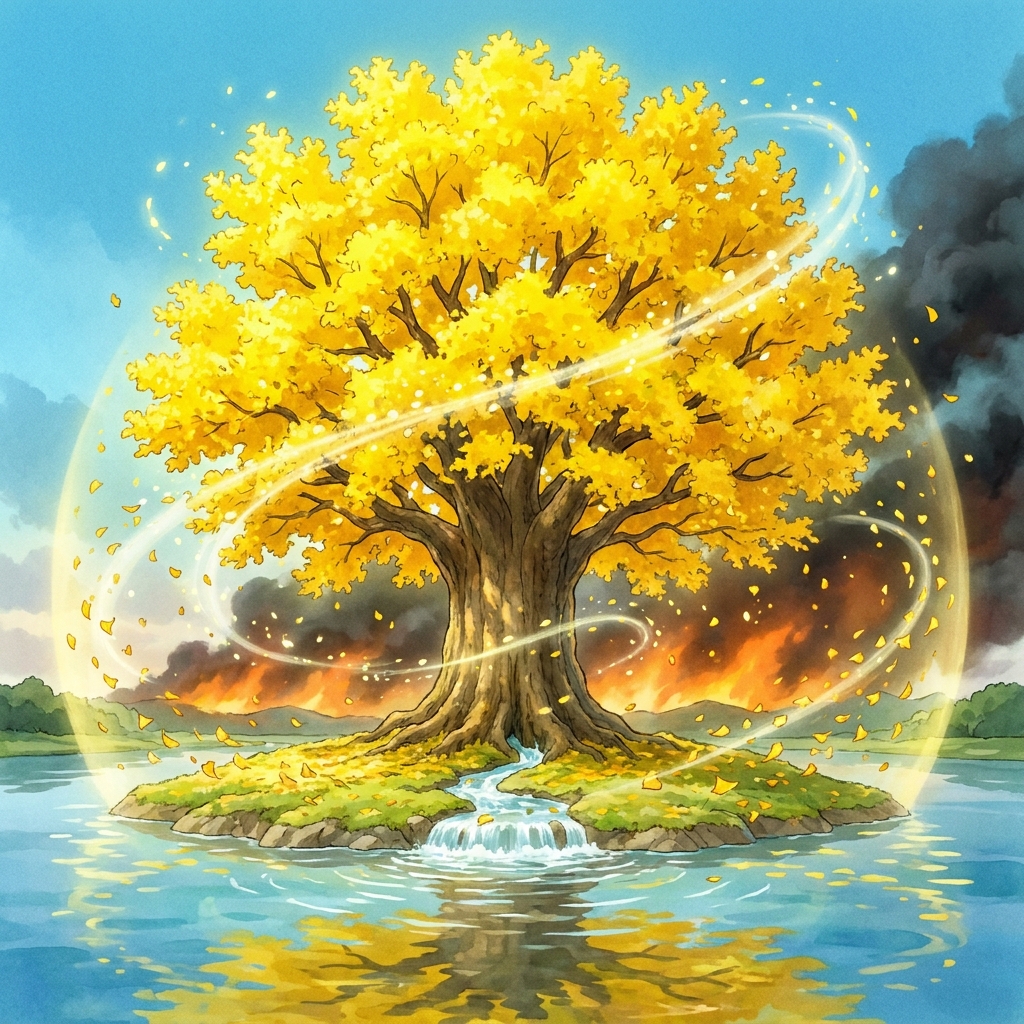
Shima Jinja, located in Nakanoshima, Wakayama City, Wakayama Prefecture, quietly stands today amidst a residential area. However, it is actually an ancient jinja of extremely high standing, having been listed as a “Myojin Taisha” (a Grand Shrine dedicated to a famous kami) – the highest rank – in the “Engishiki Jinmyocho” from the Heian period. This time, we will introduce the mysteries hidden within this jinja and the intriguing local tales passed down through generations.
Basic Information
Location: 677 Nakanoshima, Wakayama City, Wakayama Prefecture
Main Kami: Nakatsushima-hime-no-Mikoto (also believed to be an alternate name for Ichikishima-hime-no-Mikoto)
Auxiliary Kami: Ikutama-no-Kami
Former Shrine Rank: Myojin Taisha, Kensha (Prefectural Shrine)
1. Ancient Memories Hidden in the Name ‘Shima’ (Island)
The jinja’s name, “Shima,” originates from the fact that this area was once a “sandbar (island)” floating at the mouth of the Kinokawa River. In ancient times, this area was known as “Nakatsushima,” a sacred island formed by sediment carried by the river’s currents.
The main kami, Nakatsushima-hime-no-Mikoto, is truly the “kami of this island,” revered as a goddess protecting the waterside. Although it is now connected to the mainland, standing on the shrine grounds, you can still feel the remnants of its past as a sacred water domain.
2. The Legendary ‘Funadama no Kami’ and the Mystery of the Ki Clan
Shima Jinja holds a major mystery that captivates history enthusiasts: its connection to the powerful ancient clan, the Ki clan.
In “Sumiyoshi Taisha Jindai-ki,” an ancient document from the Heian period, it is recorded that Funadama no Kami, an auxiliary shrine (sessha) of Sumiyoshi Taisha, is a kami enshrined by the Ki clan, and its true identity lies in three shrines: Shima-kami, Shizuhi-kami, and Date-kami. This suggests a theory that Shima Jinja was originally a jinja dedicated to Funadama (the “soul of ships”), protecting navigation and vessels.
Interestingly, however, the current shrine administration does not emphasize a direct connection with the Ki clan, maintaining Nakatsushima-hime-no-Mikoto as its primary enshrined kami. Among some visitors, there are whispers of an inside story: “If you inquire about its historical roots, you might get an unexpected response from the shrine.” This mystery, lying between academic theories and the jinja’s traditions, sparks curiosity.
3. The ‘Miraculous Giant Ginkgo’ that Protected the Honden
Shima Jinja has a miraculous episode remaining, having survived the ravages of war.
During the Great Wakayama Air Raid in 1945 (Showa 20), the central part of Wakayama City was engulfed in intense flames. Shima Jinja’s precincts were also in peril, but it is said that a giant ginkgo tree standing on the grounds at the time acted as a “shield,” protecting the honden (main hall) from the raging inferno.
Thanks to this, the precious honden (Wakayama Prefectural Designated Cultural Property), built in 1678 (Enpo 6), escaped destruction and continues to display its beautiful form to us today.
4. A Power Spot for ‘Refining Your Aspirations’
In recent years, Shima Jinja has been quietly gaining attention among students preparing for exams and those embarking on new challenges, known as the “Jinja for Refining Your Aspirations” due to its name.
Particularly popular are the omamori (charms) offered here. There are even “special colors” with elegant designs adorned with gold leaf, attracting an increasing number of visitors from afar who seek to purify their minds and bodies and receive the power to refine their convictions.
Anime Pilgrimage Information
For fans of the popular anime ‘Summer Time Rendering,’ set in Wakayama City, this area is a must-see spot.
While Tomogashima Island is the model for the main setting of the work, “Hitogashima,” many realistic landscapes of Wakayama City appear in the urban scenes. The area around Nakanoshima, where Shima Jinja is located, also strongly retains the atmosphere of Wakayama that the protagonist, Shinpei, and his friends experienced.
The keyword “island” in the jinja’s name, and the historical depth like a “shadow” stretching from ancient times, somehow link to the mysterious worldview of the anime. Before heading to Kada or Tomogashima, a stop at this Myojin Taisha, a source of Wakayama’s history, might offer a deeper enjoyment of your anime pilgrimage.
Conclusion
While not a flashy tourist destination, Shima Jinja holds layers upon layers of stories: the “kami of water,” the “kami of ships,” and the “tree that protected from war.” When you visit Wakayama, we highly recommend taking a trip to this “island for refining your aspirations” and pondering the mysteries that have continued since ancient times.
Related Links and References
[1] The quickly acclaimed No.1 mystery of the year: Yae Tohsaka’s ‘White Light Sifting Shadows’ released May 11 – Hachioji Keizai Shimbun
[2] 403 Forbidden
[3] #WakayamaCity Blog Articles – Blogmura Hashtag
[4] The setting for the TV anime “Summer Time Rendering” is Tomogashima! We did an anime pilgrimage to the spots that appeared in the show! | Southern Osaka and Wakayama Outing Information Natts
[5] Anime works set in Wakayama Prefecture! Alphabetical order by title and by area | Seichi Junrei Guild (Anime Pilgrimage Guild)
[6] The setting for the TV anime “Summer Time Rendering” is Tomogashima! We did an anime pilgrimage to the spots that appeared in the show! | Southern Osaka and Wakayama Outing Information Natts
[7] Summer Time Rendering x Wakayama Prefecture | Feature | Official Wakayama Prefecture Tourism Site
[8] https://m.youtube.com/watch?v=jGdPL6HAsx8
[9] Anime Pilgrimage Summer Time Rendering -Kada Arc- | Kashimaru’s Anime Pilgrimage
[10] Summer Time Rendering Anime Pilgrimage Report – Part 2 (Revised Edition): Kada, Wakayama City Station, Tano, Saikazaki, Wakanoura Arc – xckb’s Miscellaneous Notes
[11] Tamapon Tsushin List / Tamapon Gift
[12] Kintetsu Department Store Wakayama Store area hotels: walking distance, prices, reviews comparison 2026 | Trip.com