 By ando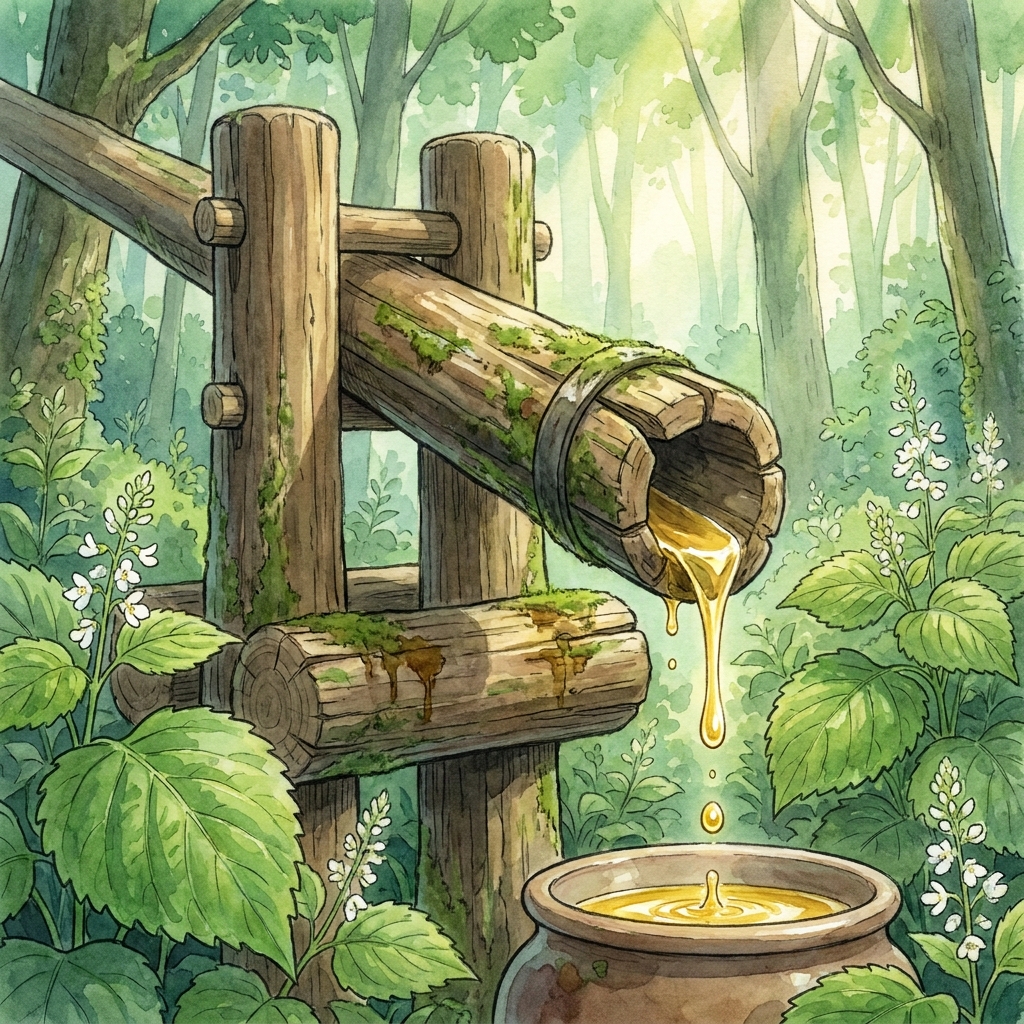
Rikyu Hachiman-gu jinja, nestled in Oyamazaki-cho, Kyoto Prefecture. At first glance, it appears to be a tranquil shrine, but did you know it once held immense power that shook Japan’s economic history? This article will uncover surprising episodes and mysteries hidden within this jinja.
BASIC INFORMATION
Location: 21 Oyamazaki Nishitani, Oyamazaki-cho, Otokuni-gun, Kyoto Prefecture
Enshrined Kami: Hachiman Okami (Emperor Ojin), Sakatoke no Okami, and others
Founded: 859 (Jogan 1)
1. The History of “Oil” in Japan Began Here!
Rikyu Hachiman-gu is known as the “birthplace of oil pressing in Japan.” In the Heian period, a Shinto priest of this jinja received a divine oracle and invented the ‘nagaki,’ an oil press that applied the principle of the lever. This made it possible to efficiently extract oil from ‘egoma’ (perilla seeds), which had previously been difficult.
Now for a surprising backstory. During the medieval period, the “Oyamazaki Aburaza” (Oil Guild of Oyamazaki), with this jinja as its patron, was granted a “monopoly on oil” by the Imperial Court and the Shogunate. Oil merchants of that era could not deal in oil without a license from Rikyu Hachiman-gu, giving the guild immense economic power, akin to today’s “oil majors,” as they monopolized oil distribution nationwide.
2. The Mystery of Iwashimizu Hachiman-gu’s Original Shrine
In fact, there is a theory that the famous Iwashimizu Hachiman-gu (Mt. Otoko) has its roots here.
According to shrine tradition, it all began when the monk Gyokyo, on his way back from inviting the kami from Usa Hachiman-gu in Kyushu, saw a divine light in the Yamazaki area. When he dug there, pure water gushed forth, so he built a shrine and named it “Iwashimizu Hachiman-gu.”
The current Iwashimizu Hachiman-gu was later relocated to Mt. Otoko on the opposite bank, and Rikyu Hachiman-gu continues to proudly serve as its “original shrine” (motoya). Within the grounds, the “Iwashimizu” well, from which the name originated, still remains today.
3. “Yudan Taiten” Amulets and Unique Signboards
If you visit Rikyu Hachiman-gu, you absolutely must check out its unique amulets.
The word ‘yudan’ originally means “running out of oil.” At this jinja, dedicated to the kami of oil, amulets inscribed with “Yudan Taiten” are offered. This is a witty amulet, unique to the birthplace of oil pressing, implying that “losing the protection of oil is the greatest enemy,” playing on the word’s dual meaning of “negligence” and “running out of oil.”
Furthermore, within the jinja grounds, yellow and black “oil” marked signboards, donated by oil and fat industry businesses nationwide, line up, creating a unique sight not seen at other shrines.
4. The Battle That Divided the Nation and the “Vanished Precincts”
Rikyu Hachiman-gu is located in the fierce battleground of the Battle of Yamazaki (also known as the Battle of Tennozan), fought between Hashiba Hideyoshi and Akechi Mitsuhide. This was a crucial strategic point, said to determine control over the entire nation, and the jinja was buffeted by the tides of history.
Even more surprising is the current appearance of the jinja’s precincts. While it once boasted vast grounds, during the Meiji period, when the Japanese National Railways (now JR) tracks were laid, the tracks astonishingly cut straight through the center of the precincts. As a result, the current main shrine buildings are condensed into a portion of the former grounds. The sight of trains rushing past right next to the worship area is one of the mysteries that tells the story of Japan’s modernization.
5. The Legendary Hinototsai Festival
The Hinototsai Festival, held annually in April, was once a magnificent festival comparable to Kyoto’s Aoi Matsuri in the north. The procession, crossing the Yodo River in over 50 boats and heading to Iwashimizu Hachiman-gu on the opposite bank, is said to have been breathtaking. While it continues today in an altered form, this episode symbolizes just how economically prosperous Oyamazaki was at that time.
This is a sacred place that history enthusiasts, economics buffs, and those involved in the “oil” industry should definitely visit at least once. Why not combine it with a hike up Mt. Tennozan and experience the origin of Japan’s energy?
Related Links and References