 By ando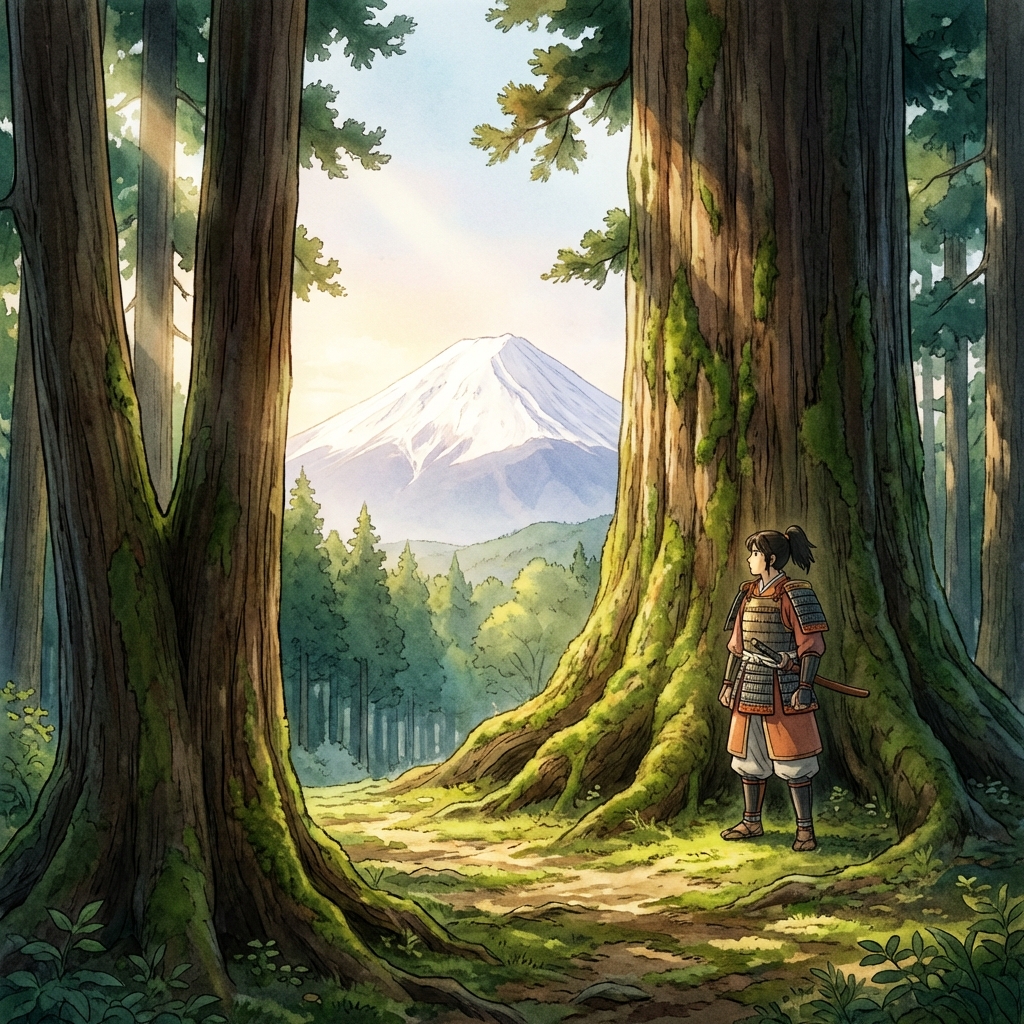
Kitaguchi Hongu Fuji Sengen jinja, located in Fujiyoshida City, Yamanashi Prefecture, is a renowned shrine that is a component part of the World Cultural Heritage site “Mt. Fuji.” For centuries, it has garnered immense reverence as the starting point for climbing Mt. Fuji via the Yoshida Trail. This article will thoroughly explore everything from the basic information about this shrine to its lesser-known mysteries, behind-the-scenes stories, and even pilgrimage information.
Basic Information
Location: 5558 Kamiyoshida, Fujiyoshida City, Yamanashi Prefecture. Ensured kami: Konohanasakuyahime no Mikoto, Hikohononinigi no Mikoto, Oyamatsumi no kami. Founded: 110 AD (40th year of Emperor Keiko’s reign). Main Highlights: One of Japan’s largest wooden torii (Otorii), the 1000-year-old Fuji Taro Sugi tree, and the Important Cultural Property shrine buildings.
—
Legend and Mystery: The ‘Place of Remote Worship’ Indicated by Yamato Takeru no Mikoto
The history of this jinja dates back to Yamato Takeru no Mikoto, a hero of Japanese mythology. During his eastern expedition, Yamato Takeru no Mikoto visited this area and, deeply moved by the magnificent beauty of Mt. Fuji, declared, “Worship the divine spirit of Fuji from the north.” This is regarded as the origin of the shrine.
Behind the jinja lies a small hill called Otsukayama. This is believed to be the “original shrine” (Motomiya) where Yamato Takeru no Mikoto actually stood and looked up at Mt. Fuji. Although it is a little distance from the current shrine buildings, Yamato Takeru no Mikoto is still enshrined here, and it is quietly enveloped in an intense spiritual energy as a powerful spot known to those in the know.
Behind the Scenes: Was it not originally an Sengen jinja?
Surprisingly, this jinja was originally not an Sengen jinja, but rather Suwa jinja was the local guardian kami (jinushigami) of this land. Suwa jinja still stands on the east side of the grounds, and the Yoshida Fire Festival, one of Japan’s Three Peculiar Festivals held every August, is actually the festival for this Suwa jinja.
During the Edo period, as Fuji-ko (Mt. Fuji worship groups) exploded in popularity, the Sengen jinja, as the starting point of the climbing trail, gained prominence. However, for the local people, the faith in “Osuwa-sama” remains deeply rooted. It is a very rare configuration, with two major faiths coexisting within a single shrine complex.
Mystery of the Sacred Trees: “Fuji Taro Sugi” and “Meoto Hinoki” Marking a Millennium
To the left and right of the worship hall (Haiden) stand giant trees that exude an overwhelming presence.
Fuji Taro Sugi: Over 1000 years old, with a root circumference of approximately 21 meters. It is also Yamanashi Prefecture’s first designated natural monument.
Meoto Hinoki (Couple Hinoki): These two hinoki trees have a mysterious form, merging into one trunk about 3 meters above the ground, and then separating again further up. They are believed to bring blessings for matchmaking and marital harmony, attracting many visitors who seek to partake in their vibrant life force.
Secret of the Great Torii Rebuilt Every 60 Years
The massive wooden torii standing at the entrance to the approach path boasts a height of approximately 18 meters, making it one of Japan’s largest. There is a strict rule that this torii must be rebuilt (or undergo major renovation) every 60 years. One theory suggests this cycle aligns with the “kanreki” (60th birthday cycle) of Konohanasakuyahime no Mikoto, the kami of Mt. Fuji, and it also represents a wisdom for always maintaining a state of purity. The most recent renovation was completed in 2014, and its majestic vermillion color is truly awe-inspiring.
—
Anime Pilgrimage Information
Kitaguchi Hongu Fuji Sengen jinja has also appeared as a setting in popular anime.
Yamano Susume Next Summit: The main character Aoi and her friends visit this jinja as the starting point for the Yoshida Trail when attempting to climb Mt. Fuji, and scenes depicting their prayers for safety are shown. You can experience landscapes directly from the anime, such as the cedar-lined approach path and the mountain gate (near Tejikarawao no Mikoto-sha).
Yuru Camp△ (Laid-Back Camp): Even without direct worship scenes, this jinja is sometimes introduced as a symbolic spot when the Fujiyoshida area is featured. Particularly, a visit in the cold, clear winter air evokes a sense of tranquility and beauty that resonates with the world of the anime.
—
Kitaguchi Hongu Fuji Sengen jinja is not merely a tourist destination; it is the “origin of prayer,” where people have offered their reverence to the immense presence of Mt. Fuji for over 1900 years. Step inside, and you will surely notice the distinct atmosphere. Whether you plan to climb Mt. Fuji or not, why not experience its mystique at this “place of beginning”?