 By ando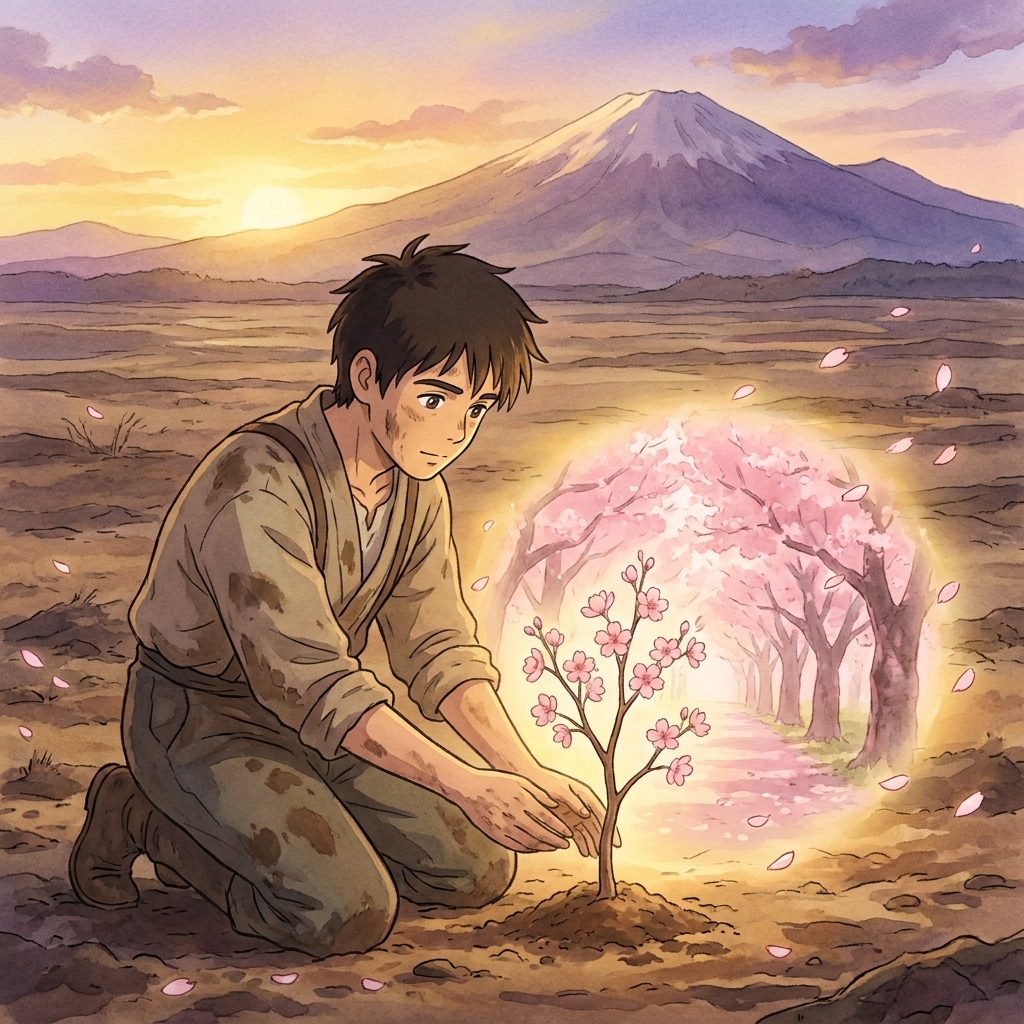
Kaiseizan Daijingu, enshrined in Koriyama City, Fukushima Prefecture, is affectionately known as “Tohoku’s Ise Shrine” and is a sacred site that draws the largest number of worshippers in the prefecture for Hatsumode (the first shrine visit of the New Year). However, behind the profound reverence this jinja commands lies the tumultuous era of the Meiji Restoration and the indomitable spirit of its people.
Basic Information
Location: 3-1-38 Kaisei, Koriyama City, Fukushima Prefecture
Enshrined kami: Amaterasu Omikami, Toyouke no Okami, Emperor Jinmu
Founded: Meiji 9 (1876)
Divine Blessings: National peace and prosperity, business success, protection from evil, good fortune, and more.
The “Miraculous Divided Spirit” Born from a Meiji-era National Project
The greatest feature of Kaiseizan Daijingu is that it enshrines a Go-bunrei (a divided spirit, or branch kami, of a deity) from Ise Jingu. In fact, receiving a Go-bunrei from Ise Jingu was an extremely rare occurrence at the time.
In the early Meiji period, the Asaka wilderness, which included Koriyama, was a desolate land with scarce water. As a spiritual pillar for the pioneers who embarked on the national project of “Asaka Reclamation” to develop this land, a special Go-bunrei was granted from Ise Jingu with the strong backing of the Meiji government. This means that the jinja was not merely a place of worship, but was built with the historical background of being a “beacon of hope” symbolizing Japan’s modernization.
Legends and Episodes: One of Japan’s Oldest Somei Yoshino Cherry Trees
Along with Kaiseizan Park, which extends next to the jinja, this area is also known as a famous spot for cherry blossoms. In fact, the Somei Yoshino cherry trees planted here in Meiji 11 (1878) by the pioneers are said to be among the oldest Somei Yoshino cherry trees in Japan.
At that time, the pioneers, enduring harsh labor, planted saplings, dreaming of the day this land would be covered in full bloom. The beautiful rows of cherry trees we see today are the materialized “prayers for the future” of those people.
Mystery and Backstory: A Deep Connection with Ise Jingu
The shrine buildings (shaden) of Kaiseizan Daijingu are built in the same “Shinmei-zukuri” architectural style as Ise Jingu. Furthermore, during Ise Jingu’s “Shikinen Sengu” (periodic rebuilding ceremony) which occurs once every 20 years, Kaiseizan Daijingu sometimes receives old timber that was actually used at Ise Jingu, which is then used for repairing its own shrine buildings or constructing torii gates.
If you happen to touch a torii gate or a shrine building during your visit, it might be wood that once protected the kami in Ise. It is thanks to this profound connection that you can experience the atmosphere of Ise firsthand, even while in Tohoku.
Anime Pilgrimage Information: “Gakuen Babysitters”
Kaiseizan Daijingu and its surrounding area (Kaiseizan Park) are known as one of the models for the setting of the popular anime “Gakuen Babysitters.” Scenes in the anime featuring park landscapes and evoking the solemn atmosphere of the jinja have made it a beloved “pilgrimage site” among fans. Especially during cherry blossom season, many fans visit, seeking the beautiful scenery resembling scenes from the anime.
Key Highlights for Your Visit
Within the shrine grounds, you will also find Kaiseizan Tenmangu, which enshrines the contributors to the Asaka Reclamation Project, and Inari Jinja for business prosperity. After visiting the main hall, be sure to explore the surrounding subsidiary shrines (sessha and massha). You will surely feel the sweat of the pioneers and the power of the kami who supported them.
When you visit “Tohoku’s Ise Shrine,” which has watched over the development of Koriyama, knowing its history will make each step toward the hall of worship (haiden) even more profound.
Related Links / References
No sources available.