
 By ando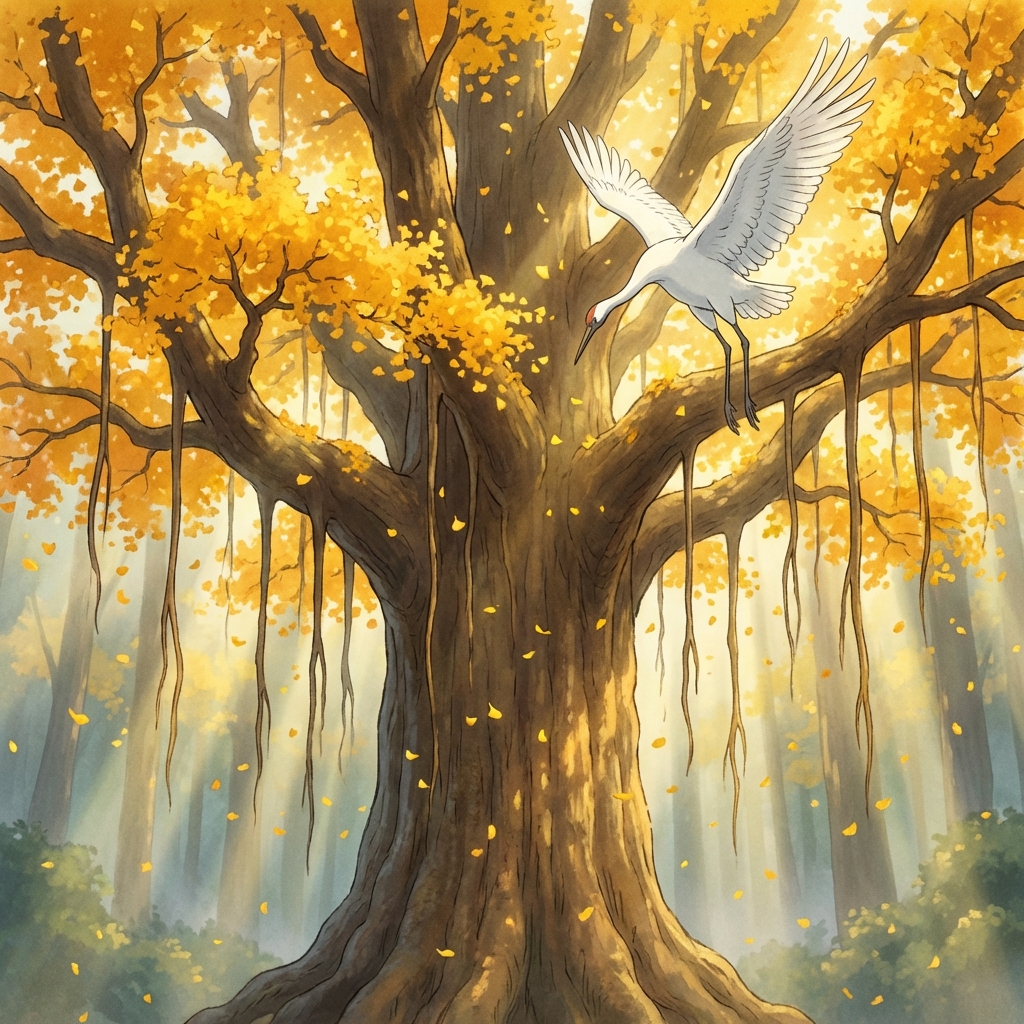
Basic Information
Name: Mito Hachimangu. (The official name is Hachimangu.)
Location: 8-54 Hachiman-cho, Mito City, Ibaraki Prefecture
Enshrined Kami: Hondawake-no-Mikoto (Emperor Ojin), Okinagatarashihime-no-Mikoto (Empress Jingu), and Hime-no-Okami.
Blessings: Ward off evil, safe childbirth and child-rearing, protection for those born in the Year of the Dog or Boar, and protection for agriculture, industry, and commerce.
Mito Hachimangu is a renowned shrine revered as the protector of Suifu (the old name for the Mito area). It was founded in 1592 (Bunroku 1) when Satake Yoshinobu, the lord of Mito Castle at the time, invited a divided spirit (bunrei) from Baba Hachimangu in Hitachi-Ota. Its main hall, which retains the magnificent architectural style of the Azuchi-Momoyama period, is designated as a National Important Cultural Property.
The Sacred Land Where a White Crane Descended: A Legend of Relocation
The history of Mito Hachimangu has been turbulent, swayed by political currents. During the Edo period, under the influence of temple and shrine reforms (commonly known as “Hachiman tsubushi” or “Hachiman Crushing”) by Tokugawa Mitsukuni (Mito Komon), the second lord of the domain, the shrine was temporarily relocated to Nakanishi in Shirosato town.
However, during the era of the third lord, Tokugawa Tsunaeda, the shrine was allowed to return to Mito thanks to the fervent petitions of its ujiko (parishioners). In 1709 (Hoei 6), when it was being relocated to its current site, a white crane is said to have descended and rested its wings for several hours. People interpreted this as a reizui, a mysterious and auspicious sign representing the “will of the kami,” and designated that spot as the current sacred precinct.
The Untold Story of the “Kami of Fire Prevention”: A Cursed Float from Edo?
Within the shrine grounds, there is also a strong belief in the kami as a protector against fire, and this comes with an interesting backstory.
In the past, during a festival at Kanda Myojin in Edo, Kanda Sakuma-cho displayed a lavish dashi float (also called hanaguruma) adorned with the two kami, Izanagi and Izanami. Soon after, the town was struck by fire. Later, when Suehiro-cho in Mito inherited this same float, it also experienced a fire. Concluding that it was “too sacrilegious to parade such revered kami on a float,” the town decided to enshrine the kami images at Mito Hachimangu.
Curiously, since then, even when fires broke out in the town, they never escalated into major disasters. Furthermore, during the Mito air raids of the Pacific War, the shrine buildings of Hachimangu miraculously escaped destruction by fire. Because of these events, the kami is still revered today as a powerful “Kami of Fire Prevention.”
Japan’s Best 800-Year-Old “Ohatsuki Icho” Ginkgo Tree
The sacred tree towering within the shrine grounds is a giant, approximately 800-year-old ginkgo tree designated as a National Natural Monument. This ginkgo is a very rare variant, known as “Ohatsuki” because it bears fruit (ginkgo nuts) at the tips of its leaves.
Legend has it that this tree is one of five brought back from China by a Kento-shi (Japanese envoy to Tang Dynasty China). Its majestic appearance is said to be the finest of its kind in all of Japan. With numerous aerial roots hanging down, it is worshipped as a symbol of safe childbirth, child-rearing, and longevity. In autumn, visitors can enjoy the breathtaking sight of its golden foliage.
The “Mito Hydrangea Festival” Adorning the Seasons
Mito Hachimangu is also known as a venue for the “Mito Hydrangea Festival,” held in conjunction with the adjacent Howaen Garden. Around June, approximately 5,000 hydrangea plants of about 60 varieties bloom profusely within the shrine grounds. The contrast between the historically significant and stately shrine buildings and the vibrant hydrangeas makes it an indispensable photo spot for bloggers and photography enthusiasts alike.
Hachiman-sama continues to watch over the city of Mito. As you walk through the shrine grounds, touching its magnificent main hall and giant tree, and contemplating its many legends, you cannot help but feel the depth of history and a mysterious power.