
 By ando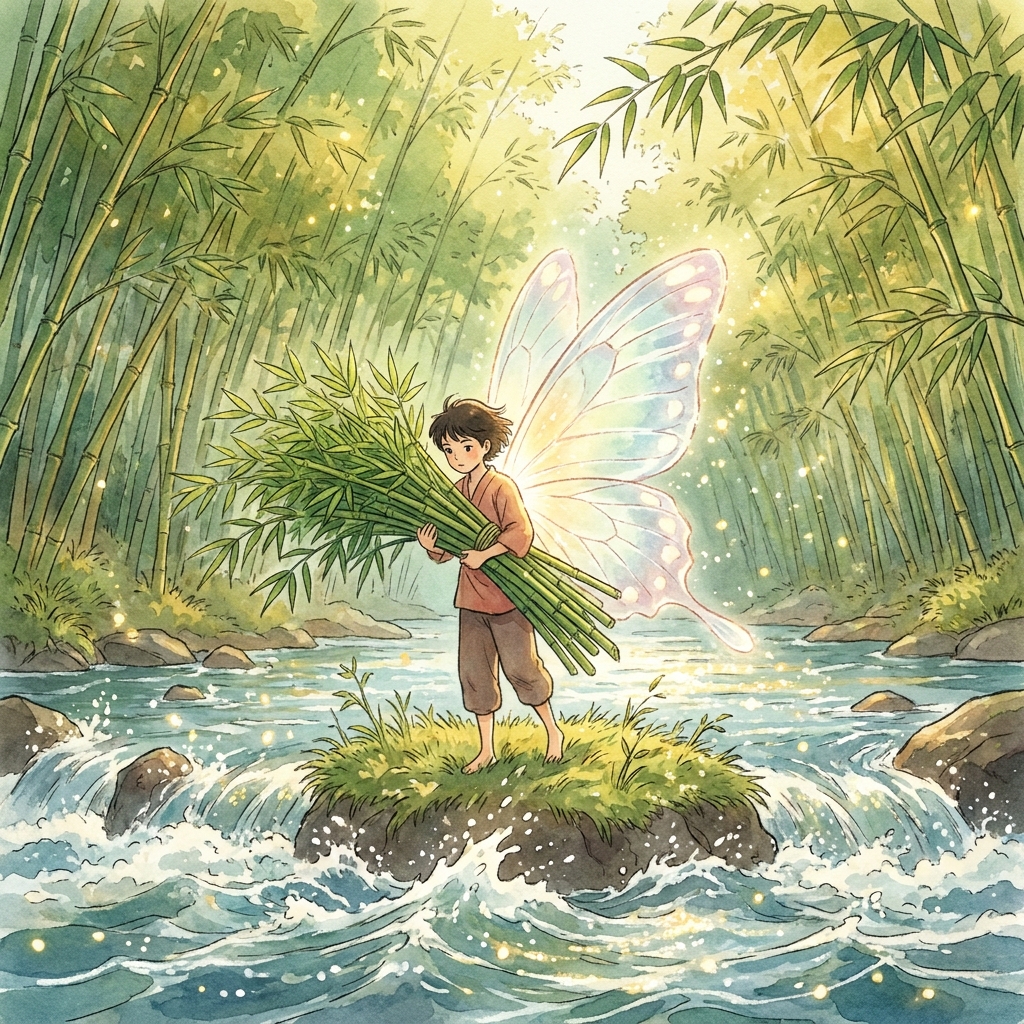
Yahagi jinja, located in Okazaki City, Aichi Prefecture, may appear at first glance to be a quiet neighborhood shrine, but it is actually a power spot where layers of history and mystery reside, from heroes of Japanese mythology and warriors of the Northern and Southern Courts period to the modern navy. This time, we will introduce several fascinating episodes associated with this jinja.
Basic Information
Location: 1 Hojuan, Yahagicho, Okazaki City, Aichi Prefecture
Main kami: Susanoo-no-mikoto
Enshrined kami: Toyouke-no-Okami, Ukemochi-no-kami
Founded: Said to be in the 45th year of Emperor Keiko’s reign (around 315 AD)
—
1. Origin of the Name ‘Yahagi’: Did a Butterfly Transform into a Human to Carry Bamboo?
‘Yahagi’ is the name of this jinja, as well as a local place name and river name. Its origin dates back to the legend of Yamato Takeru no Mikoto’s eastern expedition.
When Yamato Takeru no Mikoto visited this area, he was asked to subjugate a band of brigands. He ordered his army to make arrows, but the high-quality bamboo needed for the arrows grew on a sandbank in the swiftly flowing Yahagi River, and no one could retrieve it.
At that time, a mysterious legend says that a butterfly appeared, transformed into a human, cut bamboo from the sandbank, and carried it back. It is said that 10,000 arrows were made overnight using this bamboo (from ‘ya o hagu’, meaning to fletch arrows), which is believed to be the origin of the name ‘Yahagi’. Today, ‘yatake’ (arrow bamboo), said to be descendants of that legendary bamboo, still grow in clusters within the shrine precincts.
2. The ‘Unari-ishi’ (Groaning Stone): A Mystery Foretelling Victory
To the southwest of the worship hall (haiden), a large stone enclosed by a fence is enshrined. This is the ‘Unari-ishi’ (Groaning Stone), associated with Nitta Yoshisada.
In 1335, when Nitta Yoshisada, who was about to challenge Ashikaga Takauji in battle, prayed for victory at this jinja, it is said that the stone suddenly began to tremble, emitting a ‘buzzing’ or ‘groaning’ sound. Yoshisada, convinced this was divine protection, rallied his army and achieved a splendid victory.
Today, this stone is still carefully preserved, and it is believed that visiting it before a contest or challenge may bring good fortune.
3. The Bond with the Light Cruiser Yahagi and Sacred Site Pilgrimage
Yahagi jinja has also played an important role in modern history. The shipboard shrine of the light cruiser ‘Yahagi’, which once belonged to the Imperial Japanese Navy, enshrined a bunrei (divided spirit) from this Yahagi jinja.
During the Taisho era, the captain and crew of the first ‘Yahagi’ light cruiser made an official visit and dedicated a precise 1/100 scale model of the ship. This model is still carefully preserved at the jinja today, making it a must-see spot for history and military enthusiasts.
Sacred Site Pilgrimage Information
For fans of the ship-girl ‘Yahagi’ from the popular game and anime ‘Kantai Collection -KanColle-‘, this jinja is an important sacred site. As the head jinja for the shipboard shrine, it is also known as a ‘pilgrimage site for admirals’ (teitoku) where fans from across Japan visit to pray for the character’s safety and good fortune.
4. The Yahagi jinja Grand Festival: A 300-Year Tradition
Held annually in October, the Yahagi jinja Grand Festival boasts a history of approximately 300 years. Two magnificent dashi (festival floats), designated as tangible folk cultural properties of Okazaki City, are paraded through the streets, engulfing the entire area in excitement.
Traditional ohayashi (festival music) performed atop the dashi and the historically significant carvings are also highlights.
—
From the mythology of Yamato Takeru no Mikoto and the miracle of Nitta Yoshisada to modern subculture, Yahagi jinja is a place that has embraced the wishes of many people across the ages. When you visit Okazaki, be sure to listen to the rustling of the yatake bamboo and experience its eternal history.
Related Links and References