
 By ando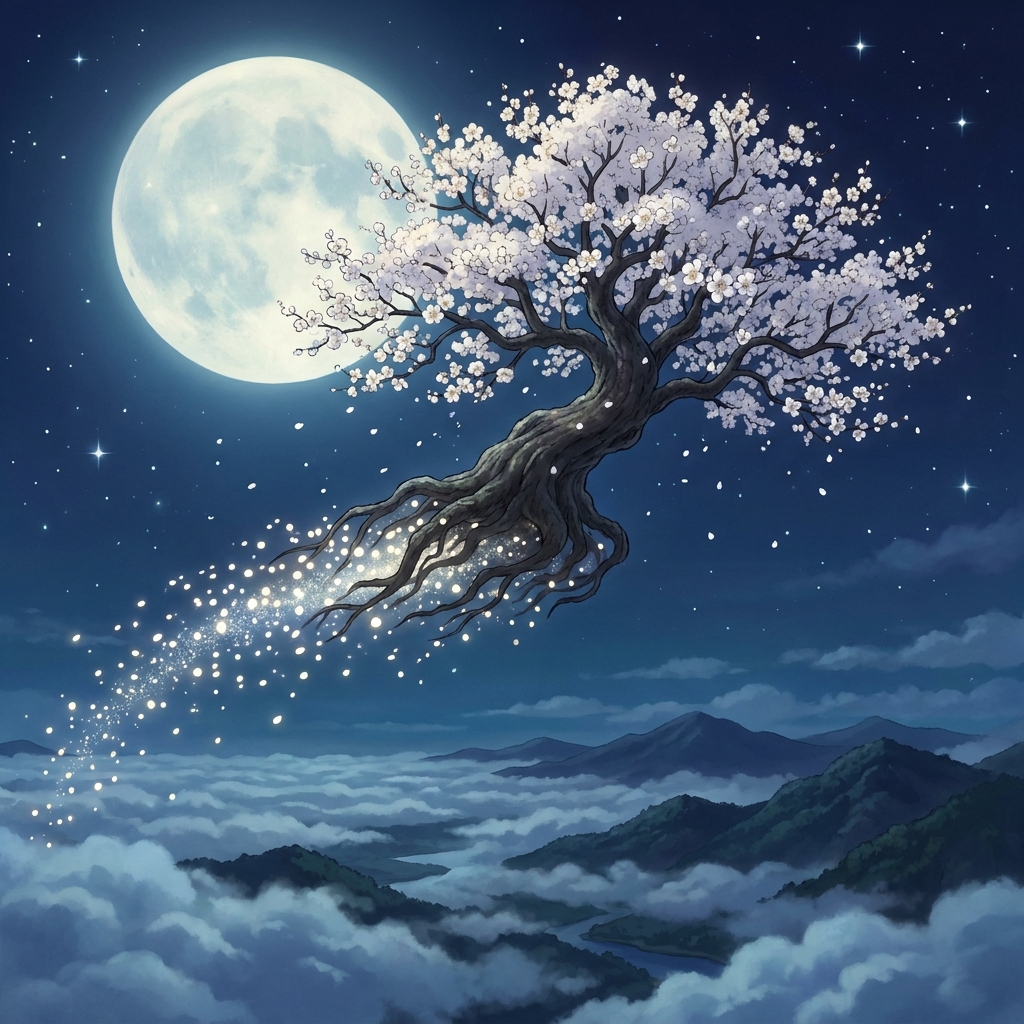
Dazaifu Tenmangu jinja, enshrined in Dazaifu City, Fukuoka Prefecture, attracts approximately 10 million worshippers annually. While it is now a sacred site for students praying to the ‘kami of scholarship,’ hidden beneath its magnificent facade are surprising spectacles—a blend of mysteries that shook history and contemporary creativity.
1. The True Identity of the ‘Kami of Scholarship’: Was He Japan’s Strongest Vengeful Spirit (Onryo)?
Today, Sugawara no Michizane watches over students with a serene expression. However, the original reason Dazaifu Tenmangu was built was to appease his immense wrath.
During the Heian period, Michizane was unjustly exiled to Dazaifu and died there in despair. After his death, terrifying natural disasters ensued in Kyoto, including lightning strikes on the Seiryo-den palace and the successive mysterious deaths of the nobles who had conspired against him. People feared this as ‘Michizane’s curse,’ and to pacify his vengeful spirit (onryo), Dazaifu Tenmangu jinja was constructed directly over his burial site. The main hall’s highly unusual structure for a jinja, built directly atop Michizane’s ‘grave,’ speaks to the extraordinary intention of pacification.
2. The Legend of the ‘Flying Plum Tree’ and the Mystery of the ‘Ox’ That Chose the Location
Within the shrine grounds, fascinating legends related to Michizane live on.
Tobiume (Flying Plum Tree) Legend: When Michizane left Kyoto, he bid farewell to a plum tree in his garden. The legend says that the tree, missing its master, flew through the night to Dazaifu. This plum tree, standing to the immediate right of the main hall, still blooms earlier than any other plum tree on the grounds, announcing the arrival of spring.
Goshinkyu (Sacred Ox): When Michizane’s remains were being transported, an ox carrying them suddenly sat down at a certain spot and refused to move. His disciples interpreted this as ‘Michizane’s will’ and designated that spot as his burial ground. It is said that stroking the horns or heads of the ox statues scattered around the grounds bestows wisdom, a belief stemming from the deep bond between Michizane and the ox.
3. Limited to 3 Years! The ‘Floating Temporary Main Hall’ With a Forest on its Roof
Currently astonishing visitors to Dazaifu Tenmangu is the Kariden (temporary main hall) that appeared in 2023.
Towards the significant milestone of ‘1125 years since Sugawara no Michizane’s passing’ in 2027, the main hall, a designated Important Cultural Property, is undergoing its first major renovation in approximately 124 years. This Kariden, designed for the kami to temporarily reside in during this period, was created by world-renowned architect Sou Fujimoto.
Its most striking feature is its ‘flying forest’ design, with real trees planted on the roof. This design was inspired by the aforementioned ‘Tobiume Legend,’ and its beauty, which overturns traditional jinja architecture concepts, can be described as a modern mystery spot that can only be seen now.
4. A Must-See for Anime Fans! The Roots of Jujutsu Kaisen and Demon Slayer: Kimetsu no Yaiba
Dazaifu Tenmangu jinja and its surroundings are also drawing keen attention as ‘sacred sites’ for popular anime.
Jujutsu Kaisen: None other than Sugawara no Michizane is set as an ancestor of the strongest characters in the series, Satoru Gojo and Yuta Okkotsu. Michizane’s immense spiritual power, described as one of Japan’s Three Great Vengeful Spirits, adds depth to the work’s setting.
I Want to Eat Your Pancreas: Dazaifu Tenmangu served as the setting for important scenes where the protagonist and heroine travel in both the animated film and live-action movie. The scene where they eat Ume-ga-mochi on the approach path is a memorable moment that even non-fans would want to recreate.
Demon Slayer: Kimetsu no Yaiba: Homan-gu Kamado jinja, located a short distance from Tenmangu, bears the same name as the protagonist Tanjiro Kamado’s surname. Given its connection to the author’s hometown (Fukuoka), it has become an unceasingly popular sacred site for fans.
5. Insider Story: The Mystery of the ‘Oishi Tunnel’ Known Only to Locals
Further beyond the main hall, to the north, you’ll find a teahouse called ‘Oishi Chaya.’ Near it is the ‘Oishi Tunnel,’ which has an insider story related to a famous proprietress, ‘Oishi-san,’ who lived from the Meiji to Showa periods.
It is said that this tunnel was privately funded and dug by influential figures of the time, so that the exceptionally beautiful Oishi-san could more easily commute. Today, it has become a hidden power spot for matchmaking and good fortune, known only to a select few.
With its identity as the kami of scholarship, its history as Japan’s strongest vengeful spirit (onryo), and its blend of cutting-edge architecture and anime culture, Dazaifu Tenmangu offers a multifaceted experience. Why not savor a freshly baked Ume-ga-mochi on the approach path while contemplating its many layers of stories?