 By ando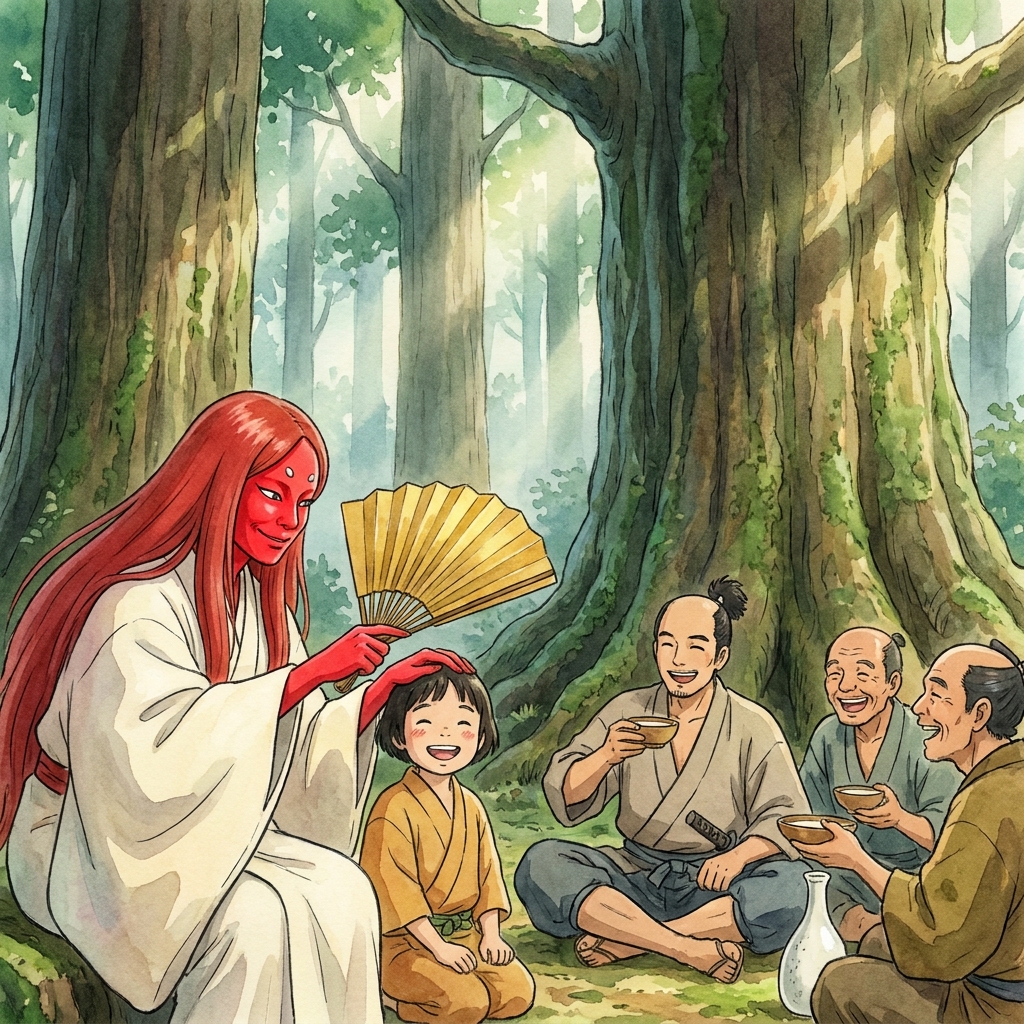
Basic Information
Nagakusa Tenjinsha, a jinja located in Obu City, Aichi Prefecture, is dedicated to Sugawara no Michizane, known as the kami of scholarship. It is said to have been founded in Meio 3 (1494), boasting over 500 years of history. At first glance, it appears to be a quiet local ujigami-sama, the guardian deity of the area. However, it is actually a special place that attracts attention nationwide as one of Japan’s extremely rare jinja licensed to brew “doburoku” (unrefined sake).
The Legend and Untold Stories of the Doburoku Festival, 500 Years in the Making
Nagakusa Tenjinsha’s hallmark is the Doburoku Festival, held every February. This festival holds fascinating episodes that history enthusiasts will find irresistible.
1. The “Comforting” Sake Started by a Samurai
The origin of this festival dates back to the Muromachi period. It is said to have begun when Nagakusa no Kami, the lord of Nagakusa Castle who governed this land at the time, offered doburoku within the shrine grounds to reward his subjects who toiled in farming day and night. This heartwarming legend, where the lord and his people deepened their bonds by sharing sake amidst the turbulent times of the Sengoku period, lives on today.
2. Officially Sanctioned Sake Brewing, Not “Illicit,” Even Today
In Japan, sake brewing at home and at jinja was strictly regulated after the Meiji period. However, Nagakusa Tenjinsha’s deep tradition was recognized, and it is still specially permitted by the tax office to manufacture doburoku. Every January, selected devotees called “sakamoto” perform the brewing process with strict rituals in the brewery within the shrine grounds. Many worshippers line up on the day, seeking this “sacred sake.”
3. The Mystery of Shōjō, the Red Monster
During the festival, a large, red-faced monster called “Shōjō” appears within the shrine grounds. This is said to be a legendary sea spirit from China, but the Shōjō at Nagakusa Tenjinsha goes around tapping worshippers’ heads with a large fan it holds. There is a saying that “being tapped ensures good health and protection from illness,” and the sight of crying children and adults watching them with smiles is a unique spectacle of this jinja.
Hidden Power Spots and Highlights
Within the shrine grounds resides a “nade-ushi” (stroking ox) associated with Sugawara no Michizane. It is said that stroking the same part of the ox as the ailing part of your body will cure illness, and stroking its head will bestow wisdom. Especially during exam season, many students visit, hoping to draw on the doburoku festival’s spirit of resilience and victory.
Additionally, the “Kaguraden,” a hall for sacred music and dance, within the grounds boasts a historical grandeur, making it a perfect location for quiet contemplation and self-reflection.
Pilgrimage Information: Is the Root of That Anime Here?
Obu City, where Nagakusa Tenjinsha is located, is known as the hometown of Haruba Negi-sensei, the author of the globally popular manga and anime “The Quintessential Quintuplets.”
While the direct settings (models) for the work are famously around Otagawa Station and Uenoma in Tokai City, Aichi Prefecture, there are various spots scattered throughout Obu City, the author’s roots, that evoke the atmosphere of the work. Nagakusa Tenjinsha is also part of the scenery that Haruba-sensei, who cherishes local traditions, has been familiar with since childhood. For fans, it is often included in “sacred site pilgrimage” courses as “the guardian kami of the land that nurtured the author.”
Key Points for Your Visit
The Doburoku Festival is held annually on the second Sunday of February (or around that time), but for those who cannot drink alcohol or prefer a quiet visit, weekday mornings are recommended. Why not take a stroll through the history-rich shrine grounds, reflecting on the bond between samurai and farmers from 500 years ago?
Access
– Address: 44 Nagakusa Honmachi, Obu City, Aichi Prefecture
– Access: Approximately a 20-minute walk from JR Kyowa Station, or immediately after getting off at the “Nagakusa” bus stop.
Related Links / References
No sources available.