 By ando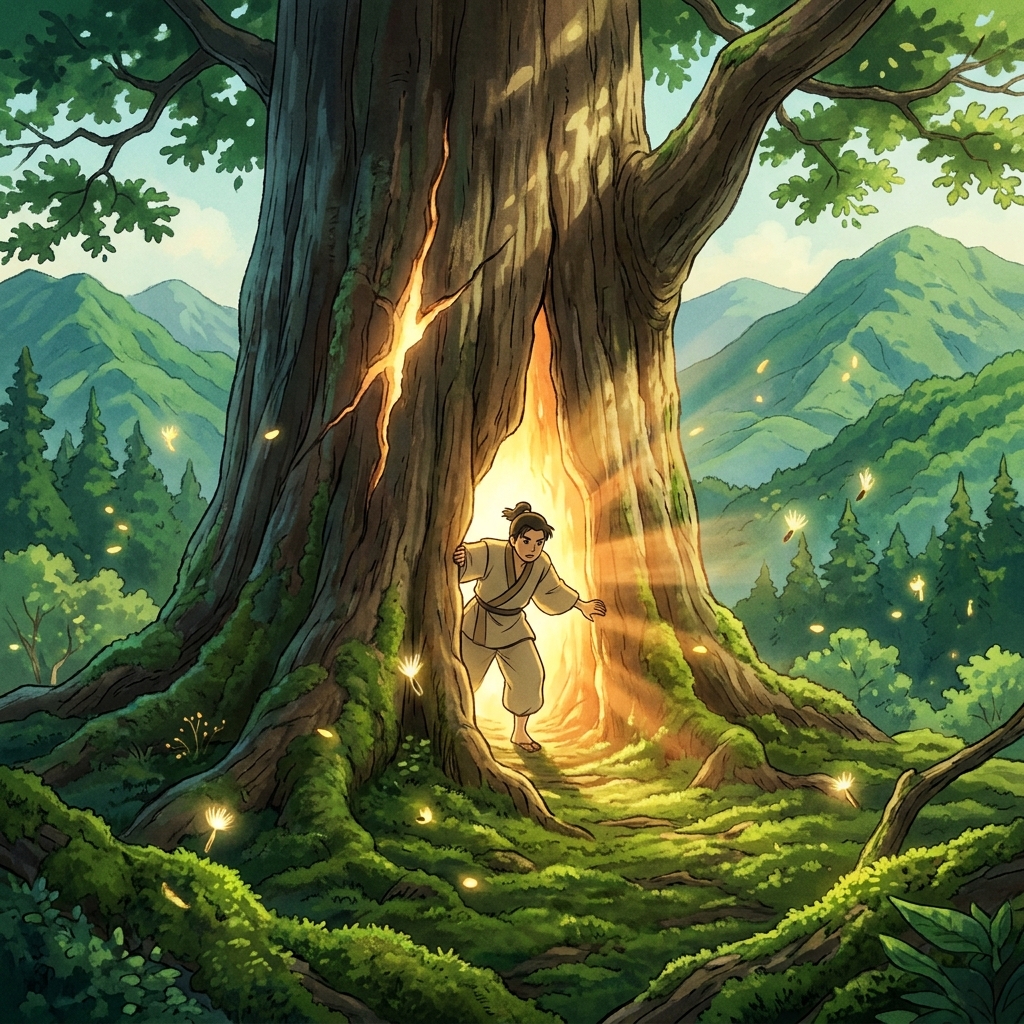
Basic Information
Name: Itakiso-jinja Shrine
Location: 558 Itakiso, Wakayama City, Wakayama Prefecture
Main kami enshrined: Itakeru-no-mikoto
Kami also enshrined: Oyatsuhime-no-mikoto, Tsumatsuhime-no-mikoto
Shrine rank: Kii-no-Kuni Ichinomiya (First shrine of Kii Province), formerly a Kanpei-chusha shrine, and now a Beppyo-jinja shrine
The Legend of the “Kami of Tree Planting” Who Transformed Japan into a Land of Green Mountains
Itakeru-no-mikoto, the main enshrined kami of Itakiso-jinja Shrine, is known as the son of Susanoo-no-mikoto. According to the Nihon Shoki (Chronicles of Japan), Itakeru-no-mikoto descended from Takamagahara (the Plain of High Heaven) with his father, bringing many tree seeds. Along with his two sisters, he traveled throughout Japan, sowing these seeds. Thanks to his efforts, Japan, which was once a desolate land, is said to have become a lush “Aoyama” (land of green mountains).
Because he eventually settled in Kii Province (Ki no Kuni, ‘Land of Trees’), Wakayama became known as “Ki no Kuni.” Even today, he is deeply revered as the “Kami of Trees” by those involved in lumber and forestry throughout Japan.
The Mystery of “Ki no Mata Kuguri” That Saved Okuninushi
This shrine preserves a dramatic episode recorded in the Kojiki (Records of Ancient Matters).
It tells of a time when Okuninushi-no-kami of Izumo was targeted and cornered by his eighty brother kami (Yasogami). Okuninushi-no-kami fled to Kii Province, which was ruled by Itakeru-no-mikoto (also known as Oyabiko-no-kami).
To deceive his pursuers, Itakeru-no-mikoto helped Okuninushi-no-kami escape through a “ki no mata” (a split in a tree), allowing him to safely proceed with the building of Izumo Province.
In commemoration of this legend, a sacred tree called “Ki no Mata Kuguri” is located within the shrine grounds, through which visitors can crawl. This is a 1000-year-old cedar tree that was struck by lightning in 1962. It is believed that crawling through its hole brings benefits of “yakuyoke” (warding off evil) and “sainanjoke” (protection from disaster).
Mysterious Spots within the Shrine Grounds: Water of Life and Monkey Stone
Water of Life: In the Mii-no-Yashiro shrine at the back of the grounds, there is a well said never to dry up, even during severe droughts. This water is called “Inochi no Mizu” (Water of Life), and worshippers continuously take it home, praying for recovery from illness.
Monkey Stone: In front of the Ebisu-jinja Shrine, there is a peculiar stone shaped like a monkey’s head. It is said that stroking this stone cures “ailments above the neck,” making it a hidden power spot visited by students preparing for exams and those suffering from headaches.
Chainsaw Art Zodiac: Every year, giant zodiac sculptures carved by a world champion in chainsaw art are dedicated to the shrine. These dynamic works of art are a must-see, unique to a jinja that enshrines the kami of trees.
Pilgrimage and Access: A Journey on the Wakayama Electric Railway Kishigawa Line
A visit to Itakiso-jinja Shrine is incomplete without a ride on the Wakayama Electric Railway Kishigawa Line. This line is depicted as part of the Wakayama City landscape that served as the setting for the anime “Summer Time Rendering,” modeling the atmospheric railway used by the protagonist, Shinpei, for his travels.
The closest station, Itakiso Station, is also a key station on the Kishigawa Line, famous for the beloved “Tama Stationmaster.” This journey, allowing visitors to enjoy an anime pilgrimage, be soothed by the cat stationmaster, and explore the Ichinomiya of Kii Province, is a popular route not only for history enthusiasts but also for anime fans.
Behind the Story: Why ‘Ta’ (太) Instead of ‘I’ (伊)?
The shrine’s crest is a design based on the character ‘太’ (ta), which is part of its name. There are various theories as to why ‘伊’ (i) was not used. One theory suggests it was out of deference to Ise Jingu (Ise Grand Shrine), while another posits that the character ‘太’ (futo) itself carries meanings of ‘revered’ and ‘great.’ Perhaps this single character conveys the overwhelming presence of the kami as the deity of trees.
Related Links and References