 By ando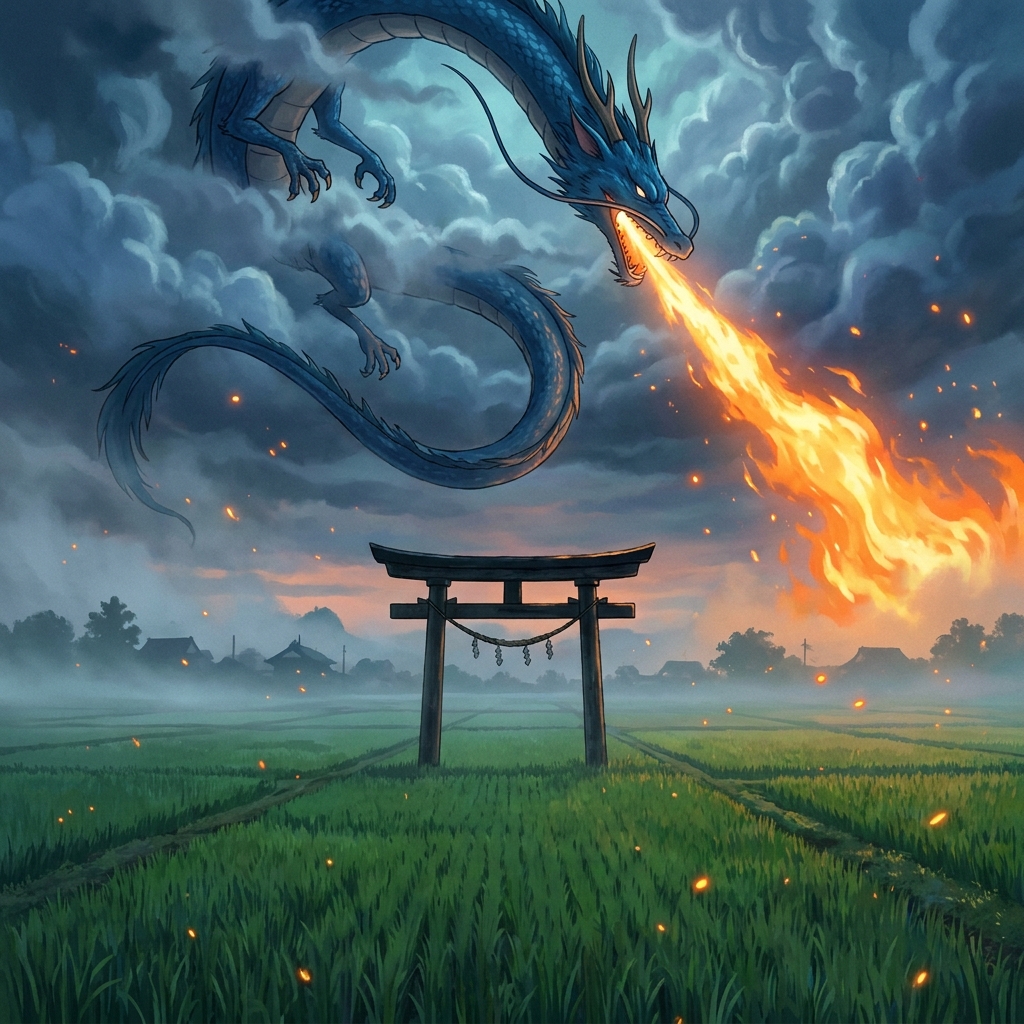
In Koka City, Shiga Prefecture, nestled in the satoyama hills once traversed by Koga-ryu ninja, stands a quiet yet powerfully present Shinto shrine: Hi-no-o Jinja. At first glance, it appears to be a tranquil village guardian shrine, but it holds a mysterious charm, intertwining legends of a dragon god, the footprints of ninja, and even scenes from a popular anime.
Basic Information
Location: 54 Ikeda, Konan-cho, Koka City, Shiga Prefecture
Enshrined kami: Amatsuhikohikohono Ninigi-no-Mikoto
Main blessings: Protection from fire, warding off evil (Hokeyoke), bountiful harvests
Cultural Assets: Honden (main hall) (Shiga Prefectural Designated Tangible Cultural Property), Ikeda Otaue Matsuri (Rice Planting Festival) (City Designated Intangible Folk Cultural Property)
From ‘Fire Tail’ to ‘Cypress Tail’ – The Dragon God’s Fiery Memory
The name of this jinja has a somewhat fearsome yet mystical origin. According to shrine legends, a long time ago, when the enshrined kami, Ninigi-no-Mikoto, descended to a nearby ‘Taki-ike’ (waterfall pond), he appeared in the clouds in the form of a ‘Blue Dragon’.
When the dragon let its tail down, it emitted an intense ‘aura of fire,’ which led to the jinja being initially named ‘Hio Daimyojin’ (literally ‘Fire Tail Great Bright God’). However, perhaps because the name was too potent, fires frequently broke out in the village. Distraught villagers changed the character for ‘fire’ (火) to ‘hinoki’ (檜, cypress), renaming it ‘Hi-no-o Jinja.’ Legend has it that the fires ceased immediately. The deep faith in the jinja today as a ‘kami for fire prevention’ stems from this history of appeasing the dragon god’s flames.
Base of Real Ninja! Ujigami of the Ikeda Clan, one of the Koka Fifty-Three Families
Koka is known as a ninja village, and Hi-no-o Jinja was one of its central locations. It served as the ujigami (clan tutelary deity) for the Ikeda clan, a powerful family among the ‘Koka Gojusanka’ (Fifty-Three Families of Koka).
During the Sengoku period (Warring States period), warlords such as Ikeda Nobuteru (Tsuneoki), who governed this area, reportedly offered prayers at this jinja before going to battle or to strengthen clan unity. Stone steps donated in Bunsho 1 (1466) during the Muromachi period remain on the grounds. Imagining Koka samurai (ninja) of that era actually treading these steps allows one to feel the weight of history firsthand. Today, it is recognized as a constituent cultural property of the Japan Heritage “Land of Shinobi: Iga and Koka”.
Mystery of the Solitary ‘Black Torii’ in the Rice Fields
When you visit Hi-no-o Jinja, be sure to look for the ‘black torii’ standing alone in the paddy fields a short distance from the shrine.
There are no shrine buildings around it, and the sight of just a torii standing in the middle of the rice fields is highly mystical; first-time visitors will surely wonder, ‘Why is it here?’ This is a remnant of the former approach path’s entrance (ichino-torii, or first torii). While the approach path itself disappeared due to land consolidation, the torii alone continues to convey the memory that ‘this was once the entrance to the sacred precinct’.
Anime Pilgrimage: Scenes from ‘Love, Chunibyo & Other Delusions! -Heart Throb-‘
For anime fans, Hi-no-o Jinja is also a special place. It is said to be one of the models for the jinja where Shichimiya Satone, an important character in the popular Kyoto Animation series ‘Love, Chunibyo & Other Delusions! -Heart Throb- (Season 2)’, resides.
In particular, the ‘black torii in the paddy fields’ mentioned earlier and the tranquil stone steps leading to the jinja perfectly match the series’ nostalgic and mystical atmosphere, making it a popular ‘sacred site pilgrimage’ spot for many fans.
Summary of Highlights for Your Visit
1. Honden carvings: The Honden, rebuilt in 1707, features magnificent vibrant decorations and carvings of animals and plants.
2. Ancient stone steps: The stone steps, inscribed with the year 1466, boast a history among the oldest in Shiga Prefecture.
3. Remnants of Shinbutsu-shugo: Hi-no-o Jinja was once integrated with the adjacent ‘Hi-no-o-ji’ temple. The sight of a jinja and a temple standing side by side offers a glimpse into the traditional forms of Japanese faith, where Shinto and Buddhism coexisted.
Hi-no-o Jinja, which appeased the dragon god’s flames, watched over ninja unity, and is now beloved as an anime setting. Why not visit and experience Koka’s profound history and mysterious power for yourself?
Related Links and References
[1] Ninja Who Protected Regional Peace – Japan Heritage Ninja | Land of Shinobi: Iga and Koka
[2] Hi-no-o Jinja Related to Ikeda Tsuneoki – Carefree Ninja’s Blog Part 3
[3] Hi-no-o Jinja | Koka City Tourist Guide
[4] Hi-no-o Jinja – Wikipedia
[5] [Koka City] Hi-no-o Jinja – Koshin Jinja-Jiha Hokan (Shrine and Temple Compendium)
[6] Chihayafuru From the Age of the Gods Koka Ninja Village 10 Hi-no-o Jinja and Hi-no-o-ji Temple
[7] Hi-no-o Jinja
[8] Shrine Introduction > Shiga Prefecture Shrines > Shiga Prefecture Shrine Association
[9] Hi-no-o Jinja | Shiga Prefecture Tourism Information [Official Tourism Site] Everything you need to know about Shiga and Biwako!