 By ando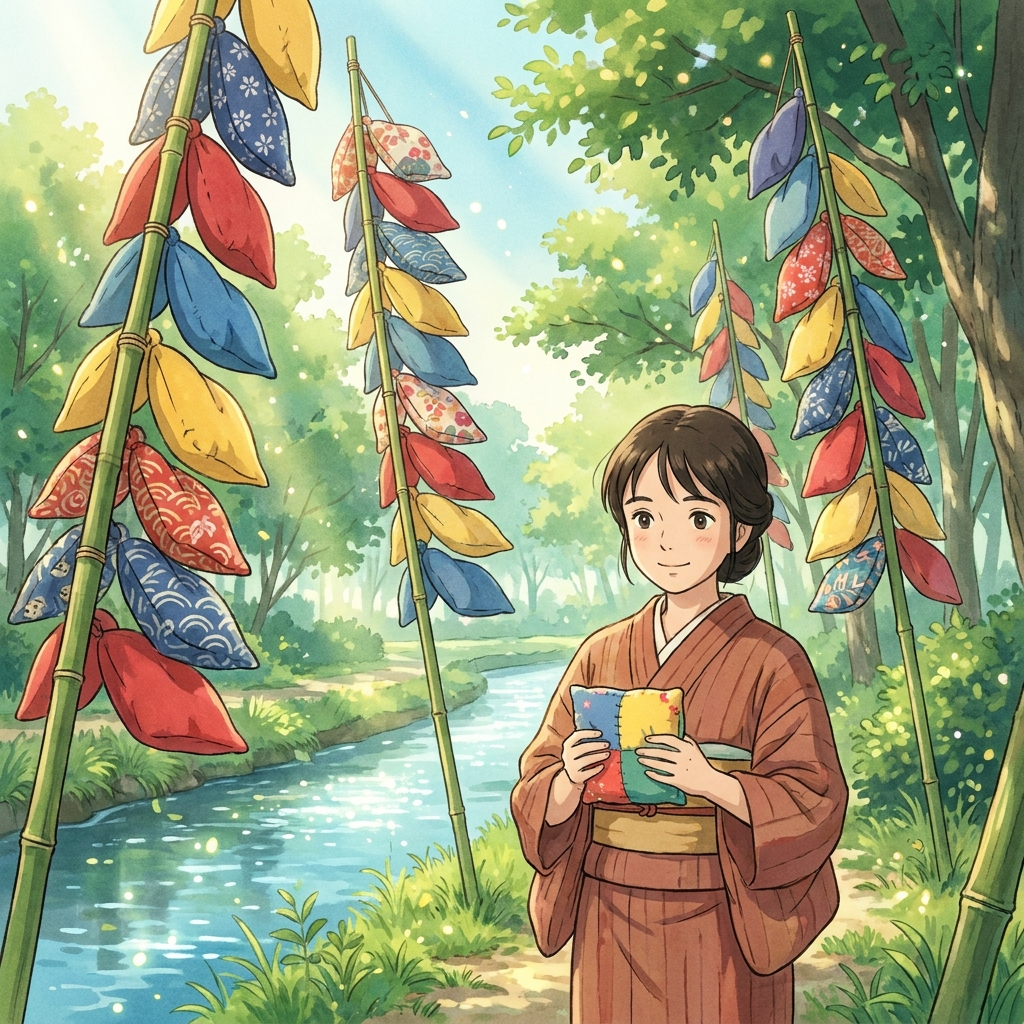
Basic Information
Hine-jinja shrine (Hine Jinja), located in Izumisano City, Osaka Prefecture, is an ancient shrine with a distinguished history, counted as one of the five major shrines of Izumi Province. Its enshrined deities are Ugayafukiaezu no Mikoto and Tamayorihime no Mikoto, the parents of Japan’s first Emperor, Jimmu. As these two kami were blessed with many children, the shrine has been revered since ancient times as a deity for fertility and safe childbirth.
However, the shrine’s most distinctive feature is that it is known as Japan’s only “deity of pillows.”
Mysterious Legends and Episodes about “Pillows”
Why did Hine-jinja become the deity of pillows? There remains a heartwarming legend rooted in the earnest wishes of the village women.
Once, a young bride in the village who had not been blessed with children prayed to the kami, “Please grant me a wonderful child,” and dedicated a handmade pillow. It is said that her wish was granted, and she was indeed blessed with a child. As this story spread, the village’s daughters and brides successively began dedicating pillows, marking the beginning of the shrine’s reputation as the “deity of pillows.”
Another anecdotal theory suggests a different origin: when Empress Jingu was heading for the Sankan Expedition, villagers packed provisions (rice) into pillow-shaped bags, hung them on bamboo poles, and delivered them to the army. This mysterious tale is also said to be the root of the unique festival described later.
Japan’s Only Unusual Festival: “Makura Matsuri”
The “Makura Matsuri” (Pillow Festival), held every May, is truly a spectacular sight. Participants carry “Makura Nobori” (Pillow Banners), which are 5-meter-long bamboo poles adorned with 25 colorful decorative pillows, on their backs and parade through the town.
This festival was actually once famous as a “Brawl Festival” (Kenka Matsuri). An anecdote tells of fierce brawls between districts during the early Showa period due to the extreme fervor, causing such a commotion that the festival’s format was temporarily changed. While it is now a peaceful procession, the powerful sight of the Makura Nobori still evokes remnants of the wild energy from that era.
A Power Spot for Modern Insomnia
In recent years, Hine-jinja has garnered significant attention as a power spot for “peaceful and sound sleep.”
People suffering from insomnia, businessmen seeking high-quality sleep, and even women wishing to “sleep beautifully” visit from all over the country to receive the shrine’s unique blessing of “protecting pillows”—the only one of its kind in Japan.
At the shrine’s office for amulets and charms, charming pillow-shaped “Makura Mamori” (pillow amulets), protective talismans to display in bedrooms, and even pillowcases are available. The shrine is cherished as one that supports people living in today’s stressful society.
A Mystery Woven by History and Nature
The scenery within the shrine grounds is also not to be missed. The “Yukawa” River, which flows through the shrine grounds, is an irrigation canal that has existed since the Kamakura period, about 800 years ago, and is registered as a “World Heritage Irrigation Structure.” It is also recognized as a Japan Heritage site, as part of the “Hine Shoen Estate Remains,” which retain the appearance depicted in medieval estate maps.
The beautiful Main Hall, said to have been rebuilt by Toyotomi Hideyori, and the National Treasure, Tahoto pagoda, at the adjacent Jigen-in temple, create a space where the weight of history is condensed. Stepping inside, one is enveloped in a tranquility that makes you forget your daily life.
If you haven’t been sleeping well lately, or if you wish for a safe childbirth for a loved one, why not visit Izumisano and experience the mysterious power of the pillow deity?