
 By ando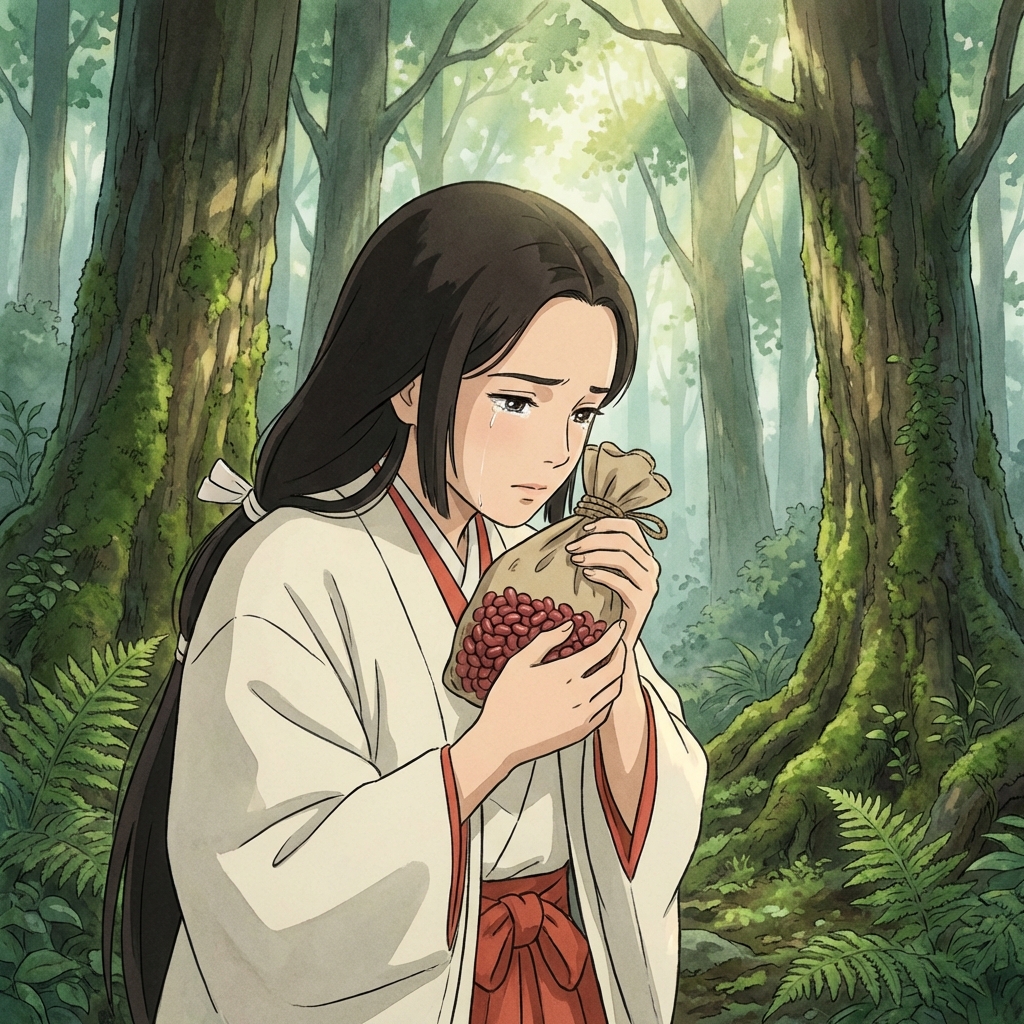
Basic Information
Location: 1-4 Kanegasaki-cho, Tsuruga City, Fukui Prefecture
Enshrined Kami: Prince Takanaga (Takanaga-shinno), Prince Tsunenaga (Tsunenaga-shinno)
Main Blessings: Matchmaking, successful relationships, overcoming difficulties, good fortune and prosperity
Access: From JR Tsuruga Station, take the “Gurutto Tsuruga Loop Bus” for approximately 8 minutes and alight at the “Kanegasaki-gu” bus stop.
The Origin of “Koi no Miya” (Shrine of Love) and the Romantic “Hanakae Matsuri” (Flower Exchange Festival)
Kanegasaki-gu is also known as “Koi no Miya,” or the “Shrine of Love,” attracting worshippers from across Japan who seek good relationships. A symbolic event is the “Hanakae Matsuri,” held every April.
This tradition is said to have begun in the Meiji era when men and women visiting this area for cherry blossom viewing would call out “Let’s exchange flowers” and convey their feelings by exchanging small cherry branches. Today, it is cherished as a Shinto ritual where people exchange artificial cherry blossoms received on the shrine grounds with “Fukumusume” (Maidens of Fortune) to pray for happiness.
Furthermore, Prince Takanaga, one of the enshrined kami, is associated with a passionate anecdote of sending as many as 1,000 love letters to the woman he adored. This history truly befits a sacred site for romance.
The Sengoku Period’s Greatest Mystery? The “Bag of Azuki Beans” Delivered by Oichi
Kanegasaki-gu is called the “Shrine for Overcoming Difficulties” due to the famous retreat of Kanegasaki during the Sengoku (Warring States) period.
In 1570, while Oda Nobunaga was attacking the Asakura clan, he was betrayed by his brother-in-law, Azai Nagamasa, and found himself in a desperate predicament. At this time, legend has it that Nobunaga’s sister, Oichi, who was married to Nagamasa, sent a “bag of azuki beans tied at both ends with a string” as a battlefield care package to warn her brother of the danger.
The “azuki beans in the bag” symbolized Nobunaga’s situation of being caught in a pincer attack from front and back. Upon seeing this, Nobunaga immediately decided to retreat. Thanks to the efforts of Kinoshita Tokichiro (later Toyotomi Hideyoshi) and Tokugawa Ieyasu, he managed to escape safely to Kyoto. From this historical fact of “overcoming a desperate crisis,” people continuously visit to pray for success in overcoming difficulties in exams and business.
Tragedy of the Nanboku-cho Period: Imperial Princes Who Lived Nobly Until Their Demise
Tracing the jinja’s history further back reveals a poignant tale from the Nanboku-cho (Northern and Southern Courts) period. The Kanegasaki Castle ruins, where Kanegasaki-gu stands, are an ancient battlefield where Emperor Go-Daigo’s imperial princes fought fierce battles against the Ashikaga army.
At the end of the siege, Prince Takanaga committed suicide, and Prince Tsunenaga met a tragic end, being poisoned after his capture. However, their loyalty and nobility were passed down through generations, and this jinja was founded in the Meiji era to enshrine them. From the “Tsukimi Goten” (Moon Viewing Palace) within the grounds, one can enjoy a panoramic view of Tsuruga Bay, a beautiful landscape that likely stretched before the princes as well.
Anime and Media Pilgrimage Information
Kanegasaki-gu and its surrounding area appear as significant settings in works set during the Sengoku period.
Nobunaga no Shinobi: This anime depicts Oda Nobunaga’s retreat from Kanegasaki in detail, including the scene where Oichi delivers the bag of azuki beans and Hideyoshi’s efforts as the rearguard. It has become a sacred site where fans can re-experience the history of Kanegasaki through animation.
Sengoku BASARA series: In both the games and anime, “Kanegasaki” appears as one of the important stages, making it a popular spot for fans to visit the historical setting.
NHK Taiga Drama series: Many historical dramas set in the Sengoku period, such as “Kirin ga Kuru” and “Go: Himetachi no Sengoku,” portray the human dramas surrounding this area.
The strong fortune that overcame the turbulent waves of history and the romantic wishes passed down through generations. Kanegasaki-gu is a place filled with mysterious power that gives visitors the courage to take a step forward.