 By ando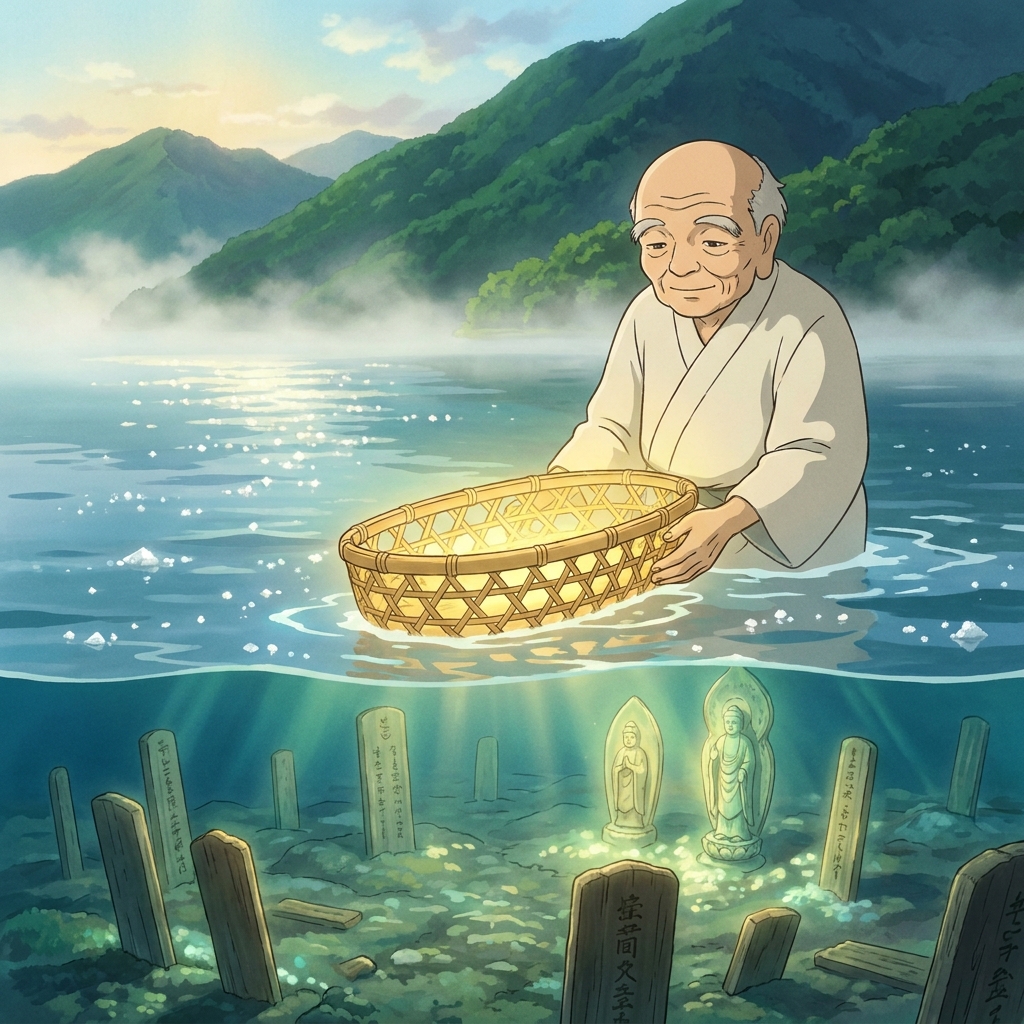
Nishi-Azai-cho, Nagahama City, Shiga Prefecture. This area, located at the northern tip of Lake Biwa, has prospered since ancient times as a vital transportation hub connecting the Hokuriku region with the Kinki region. Quietly, yet powerfully enshrined here as the guardian deity of its history is Entsu Jinja. In this article, we will uncover unknown episodes and surprising mysteries recently discovered concerning this ancient jinja.
Basic Information about Entsu Jinja
Location: 445 Shiotsunaka, Nishi-Azai-cho, Nagahama City, Shiga Prefecture
Enshrined Kami: Shiotsuchi-no-Oji-no-Kami
Annual Festival: April 15th
History: A Shikinaisha (a jinja listed in the Engishiki Jinmyocho, a historical record of jinja from the Heian period). While the details of its founding are unknown, it has symbolized the importance of this region since ancient times.
Why a “Salt Kami” by a Freshwater Lake?
The most striking feature of Entsu Jinja lies in its enshrined kami, Shiotsuchi-no-Oji-no-Kami. This kami appears in the Japanese mythology narrative of Umisachihiko and Yamasachihiko, guiding Yamasachihiko to the palace of the sea god by giving him a bamboo basket boat called Manashikatsuma. He is known as the “Kami of Guidance” and the “Kami of Salt (tides and currents).”
Why is a kami of the sea and salt enshrined by the freshwater Lake Biwa? There is a historical background hidden there, related to ancient logistics routes. In ancient times, salt and marine products transported from Hokuriku (the Japan Sea coast) were carried overland from Tsuruga to Shiotsu. From here, they were then shipped across Lake Biwa to Kyoto and Nara. In other words, Shiotsu was the starting point of the “Salt Road,” and Shiotsuchi-no-Oji-no-Kami was precisely the guardian kami who oversaw the safety of this vital trade.
The Sunken “Phantom Port” and the Jinja’s Mystery
Around Entsu Jinja, there exists a grand mystery that fascinates archaeology enthusiasts. This is the Shiotsu Minato Iseki (Shiotsu Port Ruins), discovered right next to the jinja.
Excavations conducted in the 2000s revealed port facilities from the Heian to Kamakura periods, preserved in their original state at the bottom of the lake and underground. Notably, numerous mokkan (wooden tablets/tags) and shinzou (kami statues/figures) believed to be related to the jinja were unearthed.
What is particularly surprising are the artifacts that show how people of that time coped with “water disasters.” The excavated mokkan not only recorded offerings to the jinja but also vivid details of the logistics of the time. Furthermore, there were signs that the entire port was engulfed by sediment due to earthquakes and tsunamis (seiches). The current Entsu Jinja can be considered the sole “living witness” that continues to convey the spirit of that vanished, once-great port town to the present day, even after it disappeared due to natural disasters.
The “Compass for Life” Granted by the Kami of Guidance
Shiotsuchi-no-Oji-no-Kami is known not only for showing the way but also as a “kami who bestows wisdom.” Because he offered concrete solutions to the distressed Yamasachihiko in the myth, it is now said that if one visits the jinja when “lost on one’s path” or “starting a new venture,” they will be granted good wisdom and auspicious connections.
The jinja grounds are enveloped in a profoundly serene atmosphere, and the wind blowing across Lake Biwa seems to carry the vibrant spirit of the many boatmen who once traversed this land.
Behind the Visit: Hidden “Salt” Motifs
When exploring the jinja grounds, please pay attention to the details. You might find hidden designs related to the sea, waves, or salt in the crests and decorations. This unique atmosphere, reminiscent of the salty ocean despite being on a freshwater lake, is a charm not easily experienced at other jinja.
Additionally, the nearby Katori Jinja is also managed by Entsu Jinja, and visiting both will allow for a deeper understanding of the profound ancient faith of this region.
In Conclusion
Entsu Jinja is not a flashy tourist destination. However, it is etched with the prayers of our ancestors who supported Japan’s logistics and a powerful history of overcoming natural disasters.
If you feel “lost on your path recently” or “need courage to take a new step,” we encourage you to visit the northern tip of Lake Biwa and listen to the ancient “Kami of Guidance.” The wind sweeping across the lake might just bring you a hint to find your own “Manashikatsuma (boat of guidance).”
Related Links and References
No sources available.