 By ando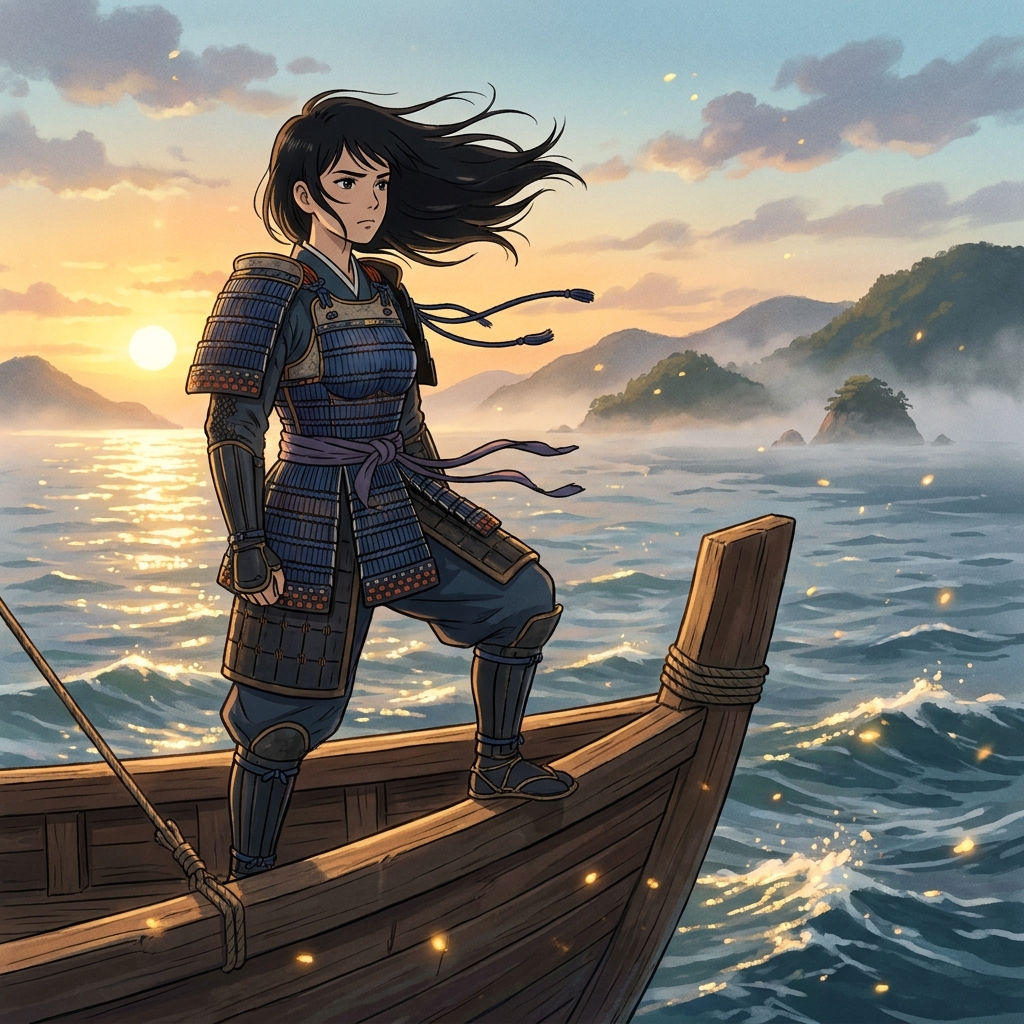
Omishima (Oomishima) Island, located in Imabari City, Ehime Prefecture, is situated almost at the center of the Shimanami Kaido. Oyamazumi jinja (Ooyamazumi jinja), enshrined on this island, is the head shrine (sohonzha) for over 10,000 Yamatsumi jinja and Mishima jinja throughout Japan, and has long been revered as a special place known as “Nippon Sohchinju” (Japan’s Guardian of the Nation).
This time, we will introduce the profound charm and mysterious episodes of this jinja, which are sure to delight history buffs and power spot enthusiasts.
Basic Information
Location: 3327 Miyaura, Omishima-cho, Imabari City, Ehime Prefecture
Main kami enshrined: Oyamatsumi no kami (Ooyamamatsumi no kami)
Shrine rank: Iyo no Kuni Ichinomiya, Nippon Sohchinju
Blessings: Good fortune in competitions, maritime safety, business prosperity, family safety, and more.
Could 80% of Japan’s National Treasure Armor be here?!
Indispensable when discussing Oyamazumi jinja is its adjacent Treasure Museum (Shiyoden and Kokuhokan). In fact, this is an incredible place, as it houses approximately 80% of all weapons and armor (such as helmets, armor, and swords) designated as National Treasures or Important Cultural Properties throughout Japan.
The sight of genuine weapons and armor, dedicated by historical heroes such as Minamoto no Yoritomo, Minamoto no Yoshitsune, and Taira no Shigemori as prayers for victory or as gratitude, lined up is truly awe-inspiring. It is a true “treasure trove of Japanese history” and is revered as a “sacred place” by armor enthusiasts.
The Joan of Arc of the Seto Inland Sea: The Legend of Princess Tsuru
Among the many armors displayed in the Treasure Museum, there is one that particularly stands out. It is said to be Japan’s only existing “female armor (Kon-ito Susogake Odoshi Domaru).”
The owner of this armor is said to be Princess Tsuru (Tsuruhime), a tragic heroine of the Sengoku period.
Born as the daughter of Oyamazumi jinja’s chief priest (guji), she led a naval force at the young age of 16 and repelled the invading Ouchi clan’s army twice. However, she lost her beloved in the third battle, and it is said that in her grief, she threw herself into the sea at the age of 18.
The armor she is believed to have worn was made to fit a woman’s unique physique, with a swelled chest and a cinched waist, and even today, it tells the story of her bravery and tragic love.
The 2600-year-old Sacred Tree and the Mystery of “Breath-Holding”
In the center of the jinja grounds, stands a gigantic camphor tree, estimated to be around 2600 years old, known as “Ochi no Mikoto Oteue no Kusunoki” (Camphor Tree Planted by Ochi no Mikoto).
There is a curious legend about this sacred tree. It says, “If you walk around the tree three times while holding your breath, your wish will come true.” Many worshippers actually attempt this, but walking around the gigantic trunk three times while holding your breath is an extremely difficult feat. If you are confident in your physical strength and determination, why not give it a try?
Also, on the approach path leading to the Okunoin (inner sanctuary), there is another giant camphor tree called “Ikiki no Gomon” (Living Tree Gate), with roots that open up like a gate. It is said that passing through here grants blessings of longevity.
Sumo with a kami?! “Hitori Sumo” (One-Man Sumo)
Oyamazumi jinja holds a Shinto ritual called “Hitori Sumo” (One-Man Sumo), which is rare even across Japan.
This is a ritual where a sumo wrestler engages in sumo against the “spirit of rice (an invisible kami).” While the sight of the wrestler being thrown or pushed back by an invisible opponent may seem humorous at first glance, it is actually a serious ceremony to predict the year’s harvest. As a good harvest is promised if the kami wins, it is always predetermined that the wrestler will lose in the end.
Anime Pilgrimage Information
Oyamazumi jinja and Omishima have also appeared as settings in popular anime.
Ao Ashi
Imabari City, Ehime Prefecture, is depicted as the hometown of the protagonist, Ashito Aoi. The scenery of Oyamazumi jinja and the Tatara Bridge, symbolizing the island, appear in the anime’s opening and flashback scenes. It has become a must-visit holy site for soccer fans as well.
Tamayura ~More Aggressive~
In episode 4, the protagonists visit Oyamazumi jinja during a scene where they cycle along the Shimanami Kaido. The camphor tree within the grounds and the Treasure Museum are faithfully depicted, making it a popular spot for fans to take photos from the same angles as in the anime.
From history, legends, and mysteries to the world of anime, Oyamazumi jinja is a jinja filled with wondrous charm, offering new discoveries with every visit. When you visit the Shimanami Kaido, be sure to stop by this “Island of the Kami” and experience its timelessness.